The duty
What this machine does.
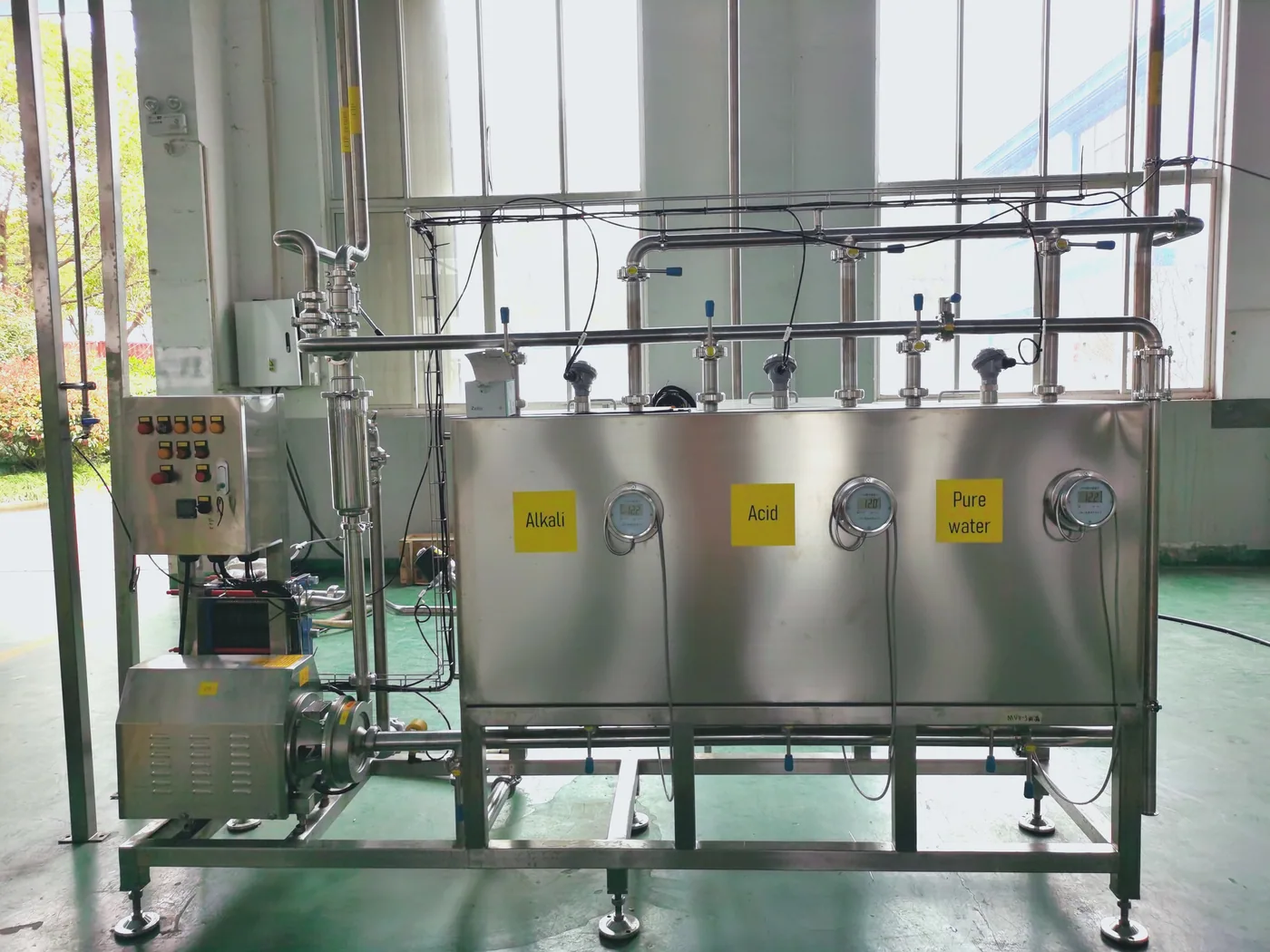
Avocado residue is oily, viscous and prone to collecting in seals, screens and low points. A CIP system can clean tanks, pipes and some pumps, but it cannot clean every knife, belt, screen or open surface. The cleaning design should map what is cleaned in place, what is cleaned out of place and how the result is verified. A generic cycle is not a validated cleaning procedure.
Working arrangement
How it is built.
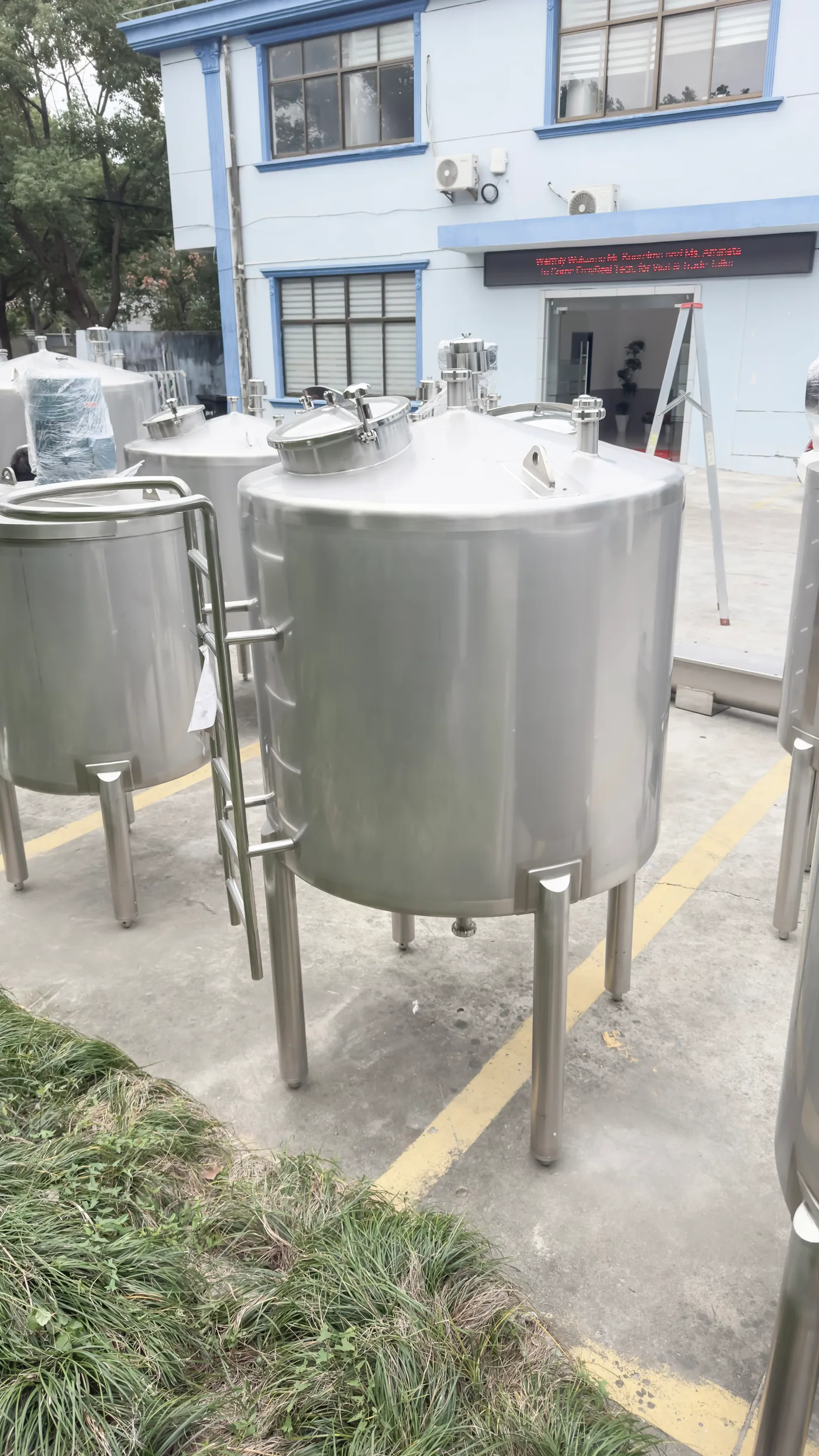
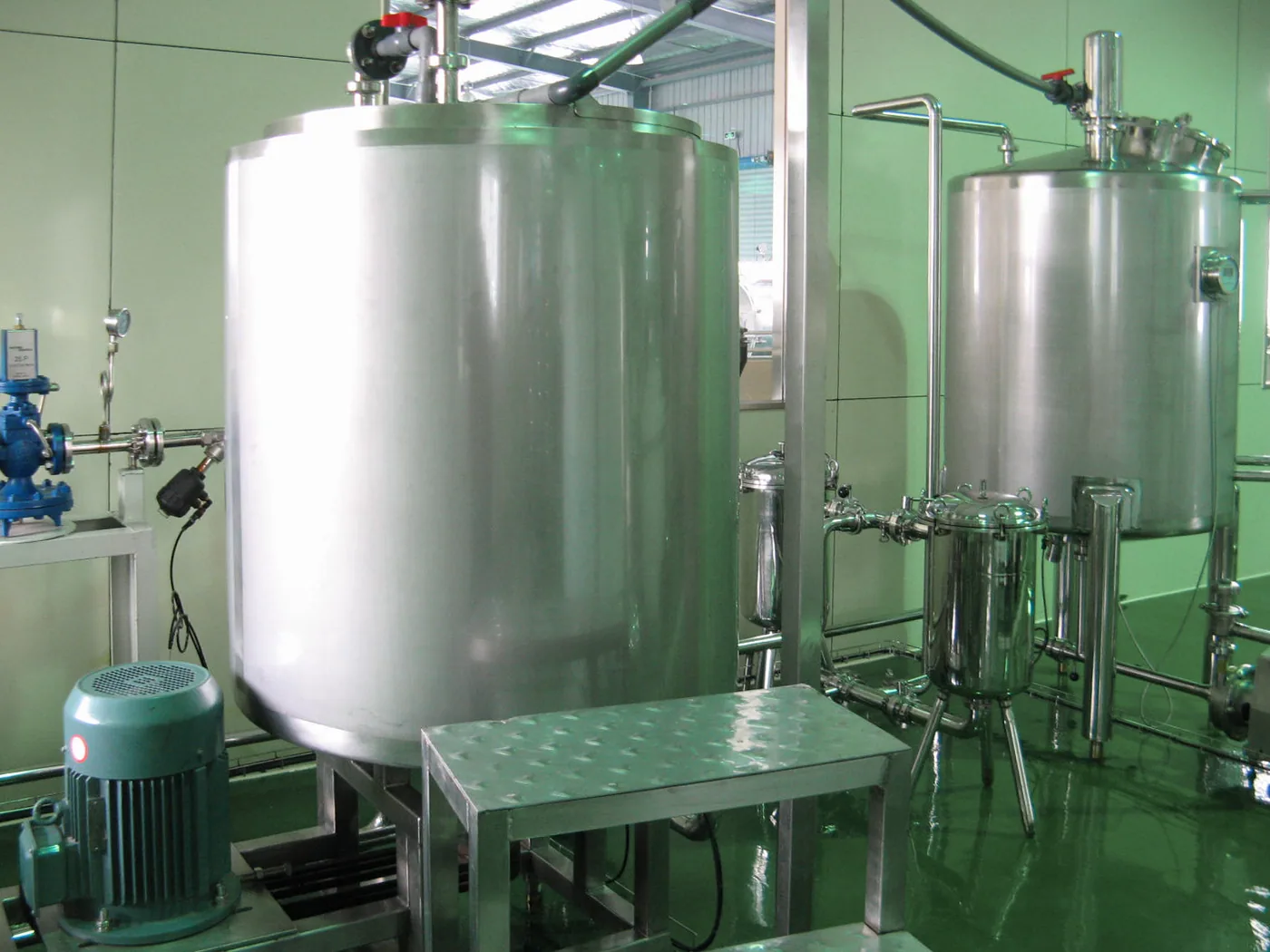
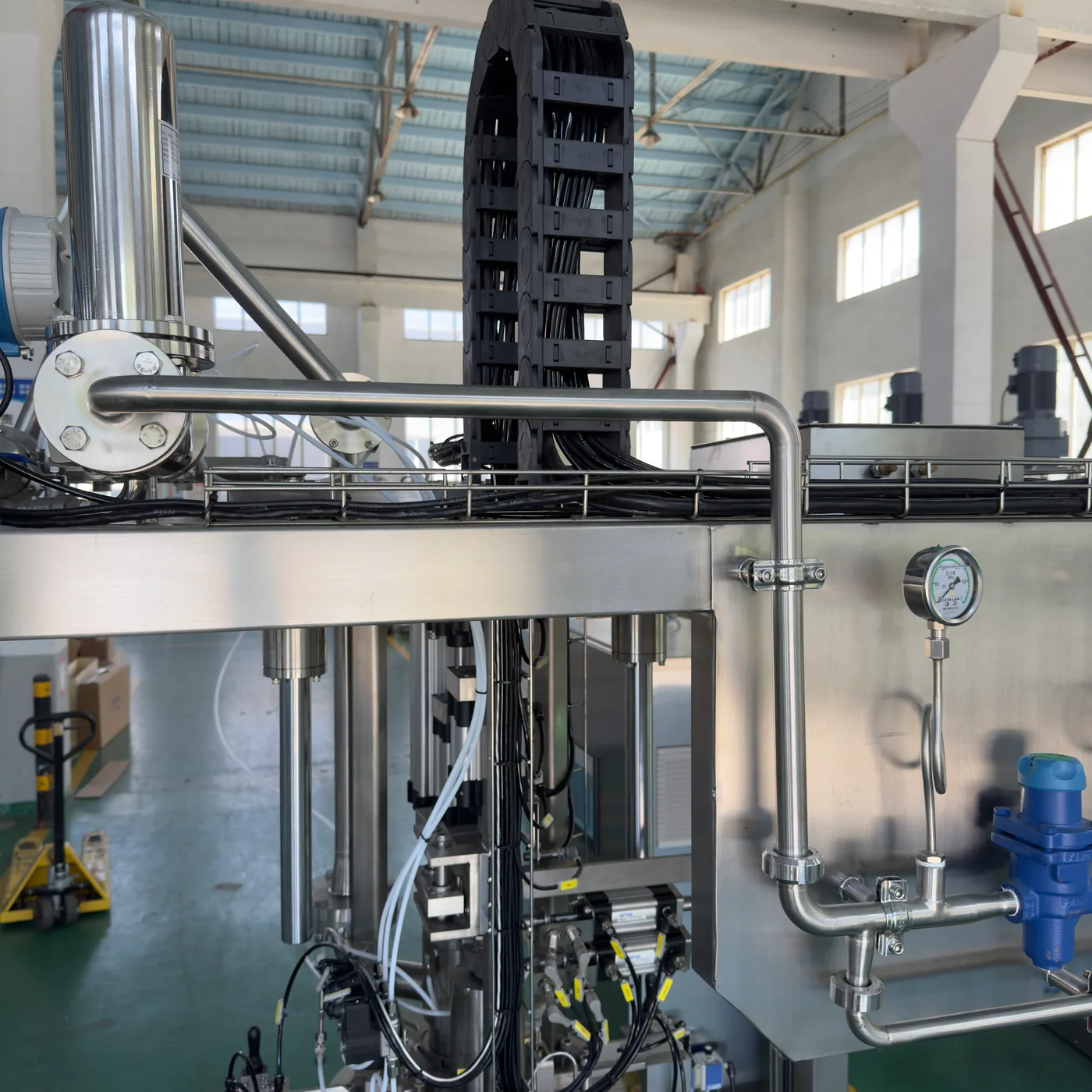
A CIP skid with solution tanks, pump, heat exchange, flow and return lines, plus a circuit map with valves and drains. Manual cleaning stations cover open equipment. The system may use alkali, acid and rinse stages, but the chemistry, concentration, temperature, time and mechanical action must be established for the actual soil and materials.
Operating sequence
- 01
The circuit map and valve positions are confirmed.
- 02
Pre-rinse removes loose product.
- 03
The validated wash and rinse sequence runs with recorded parameters.
- 04
Accessible surfaces are inspected and the equipment is released.
Selection essentials
Choose it for the actual duty.
- Circuit map, dead ends, low points and drainability
- Fatty residue removal and material compatibility
- Recipe allergens and the verification method
- Segregation of waste handling from prepared product
- Utilities, drainage and safe chemical handling
Specification
What the quotation must state.
| Model | Project-configured; no fixed catalogue model is published |
|---|---|
| Planning band | 1–3 solution tanks and 500–5,000 L working volume, depending on circuit size |
| Construction | Stainless-steel tanks, pipework and pump; grade confirmed in the quotation |
| Circuits | Tanks, pipework, pumps and selected equipment; open parts cleaned manually |
| Control | Flow, temperature, conductivity and cycle recording options |
| Options | Recovery, rinse-water reuse, sample points, drain monitoring |
Capacity bands are for project planning. Final model, motor rating, dimensions, utilities and acceptance conditions are confirmed on the approved quotation and drawings. No catalogue model is implied where none is published.
Cleaning
Cleaning & maintenance.
Define and validate the cycle for the actual system. Inspect accessible surfaces after cleaning; a conductivity reading alone does not prove removal of fatty residue. Check seals, screens and manual parts that are not in the CIP circuit.
Interfaces
Upstream & downstream.
Water, steam or hot water, chemicals, drainage, compressed air and the equipment control system.
Technical FAQ
Questions buyers ask.
Can a CIP system clean the whole avocado line?
No. CIP covers closed circuits such as tanks, pipes and some pumps. Open preparation equipment, belts, knives, screens and filling parts usually need manual or out-of-place cleaning. The cleaning plan should show both.
What cleaning chemicals are suitable?
The chemistry must be selected for avocado residue, stainless steel, seals and the site's hygiene requirements. Concentration, temperature and contact time are validated for the actual system. This site does not publish a universal cleaning recipe.
Put it in context