The duty
What this machine does.
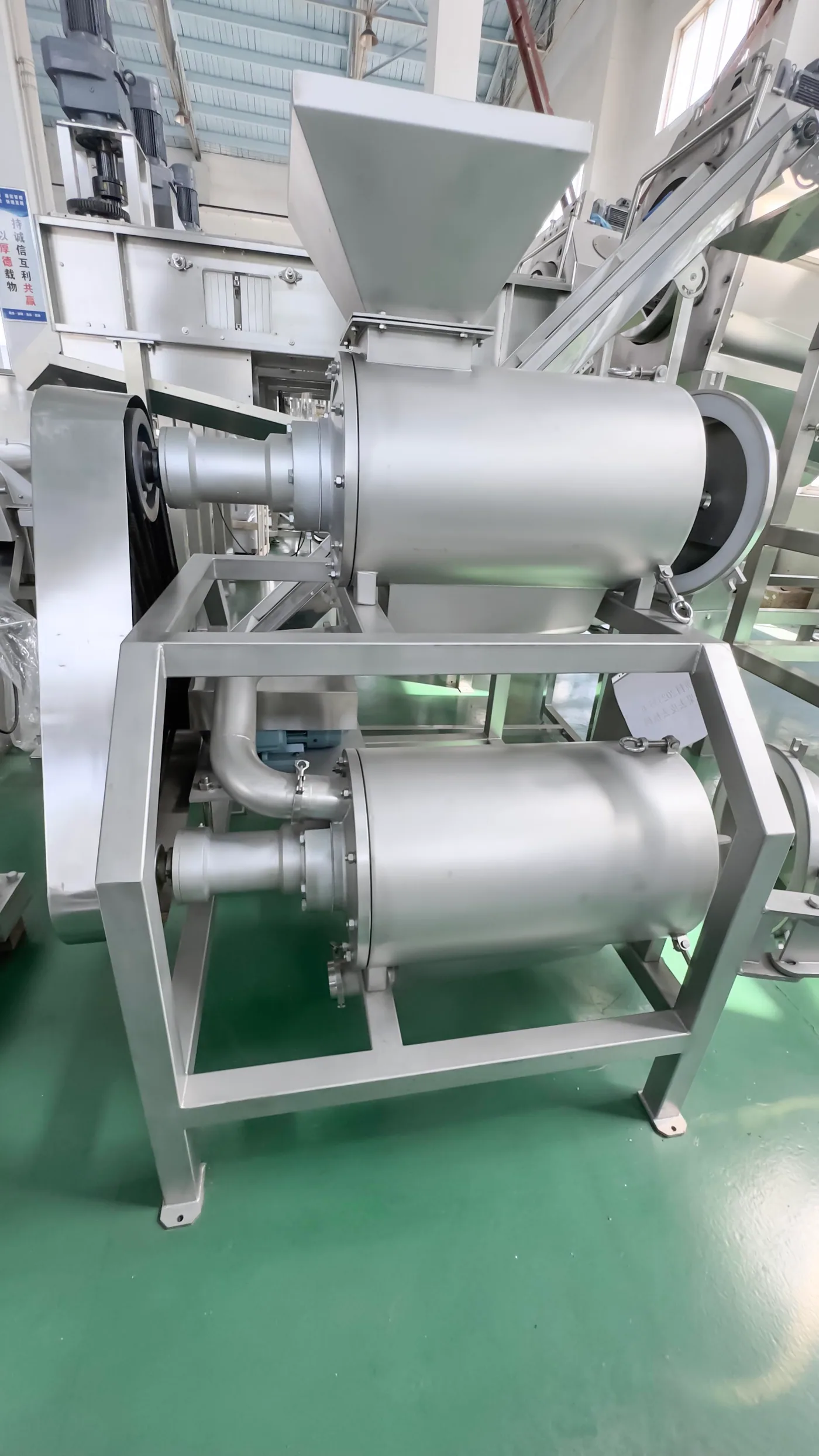
Peeling and pitting is the quality gate of the whole line. It sets the amount of flesh that can be recovered, the risk of skin and stone fragments, and the condition of the flesh that reaches finishing or cutting. There is no universal automatic setting: fruit size, shape, ripeness and peel adhesion change the result. The equipment proposal should therefore state exactly which operations are mechanical, which remain manual and how the result will be measured.
Working arrangement
How it is built.
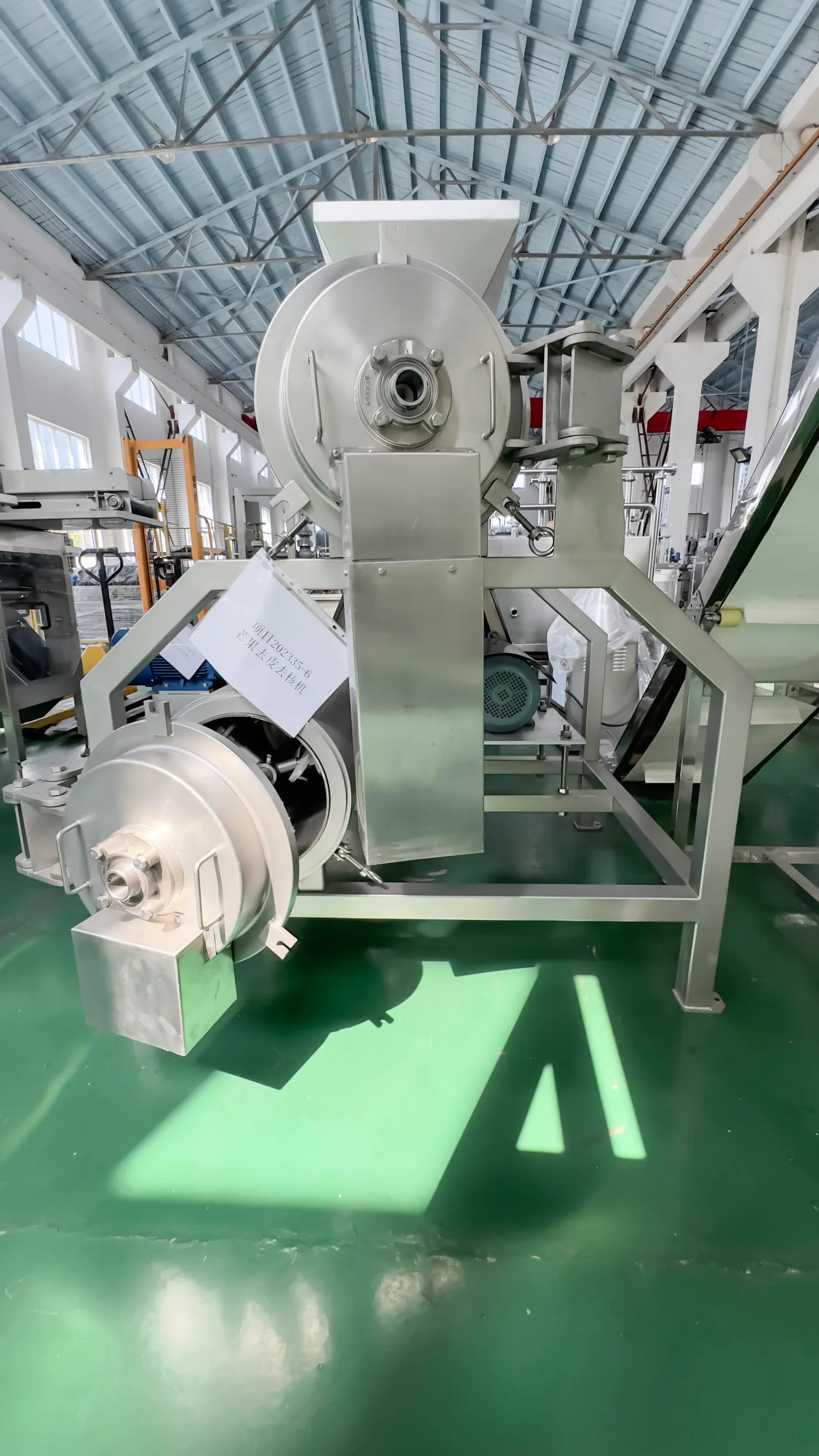
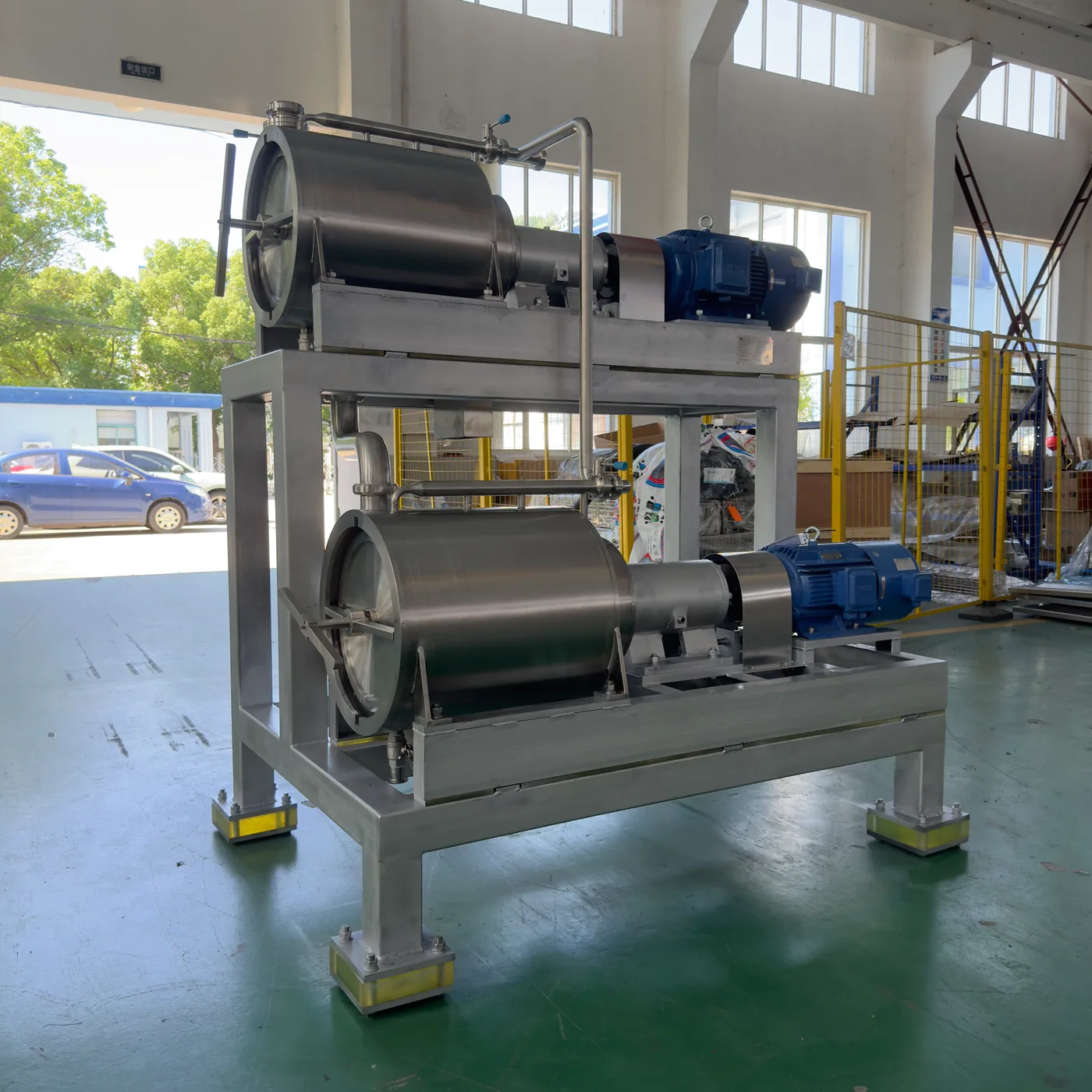
The working arrangement may use a perforated drum, rotating tools, brushes, knives or an operator-assisted presentation. The machine frame, guards, tool access and waste chutes are designed around safe cleaning and fragment control. For avocado, the flesh is soft and oily, so tool clearances and surface finishes must avoid smearing and product traps.
Operating sequence
- 01
Fruit is presented within the agreed size and ripeness window.
- 02
The working tools open the fruit and separate skin and stone.
- 03
Flesh drops to an inspection point; skin and stones leave separately.
- 04
Operators check for residual skin, stone fragments and damaged flesh.
Selection essentials
Choose it for the actual duty.
- Fruit size, shape and peel adhesion across the season
- Ripeness window and how it changes tool performance
- Stone breakage, skin carryover and flesh loss
- Operator access, safe isolation and tool change time
- Cleaning access to every product-contact surface
Specification
What the quotation must state.
| Model | Project-configured; no fixed catalogue model is published |
|---|---|
| Planning band | 0.5–2 t/h whole-fruit feed, depending on fruit size and preparation method |
| Preparation | Manual, operator-assisted or mechanical separation; exact scope stated in the quotation |
| Construction | Stainless-steel frame and food-contact parts; grade confirmed in the quotation |
| Waste streams | Separate skin, stone and reject discharges |
| Options | Fruit presentation, tool-change sets, wash-down, inspection light, interlocked guards |
Capacity bands are for project planning. Final model, motor rating, dimensions, utilities and acceptance conditions are confirmed on the approved quotation and drawings. No catalogue model is implied where none is published.
Cleaning
Cleaning & maintenance.
Open the working chamber, remove tools and screens, and inspect for skin, fibre and stone fragments. Confirm safe isolation before tool changes. Validate cleaning of oily residues and reassembly before the next run.
Interfaces
Upstream & downstream.
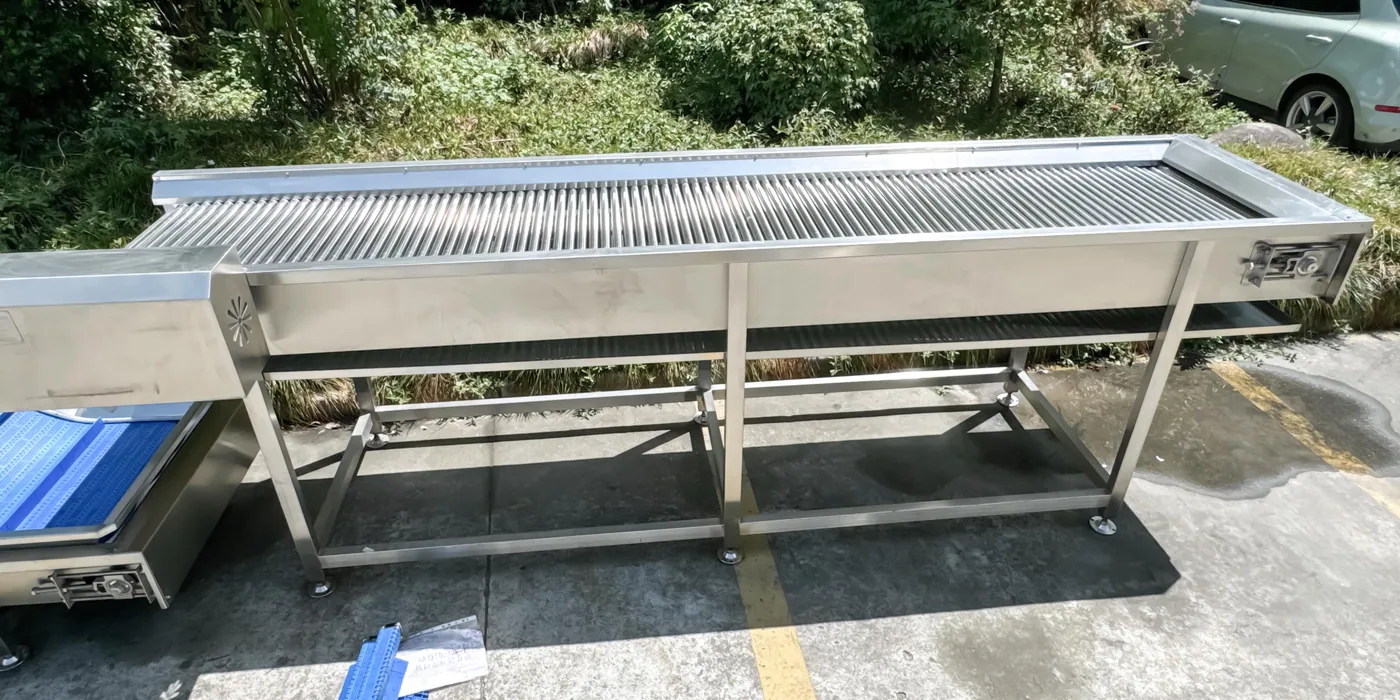
Upstream washer or elevator; downstream flesh inspection or pulping; separate waste collection and floor drainage.
Technical FAQ
Questions buyers ask.
Should I choose a separate peeler and pitter?
Only if the fruit and product justify two machines. A combined peeling and pitting machine reduces transfers and floor space, but the working sequence must suit the fruit. If the fruit varies widely, separate or operator-assisted steps may be more controllable.
How do I measure peeling performance?
Use the same batch to weigh whole fruit, accepted flesh, skin, stones and rejected tissue. Record fruit size and ripeness, tool setting and operating time. Inspect the flesh for skin and stone fragments, not only for visual appearance.
Can the machine handle soft ripe fruit?
Soft fruit is more likely to smear, tear or lose flesh. Tool geometry, speed and fruit presentation need to be tested. In some cases a gentler preparation method or a narrower ripeness window is more important than a different machine.
Put it in context