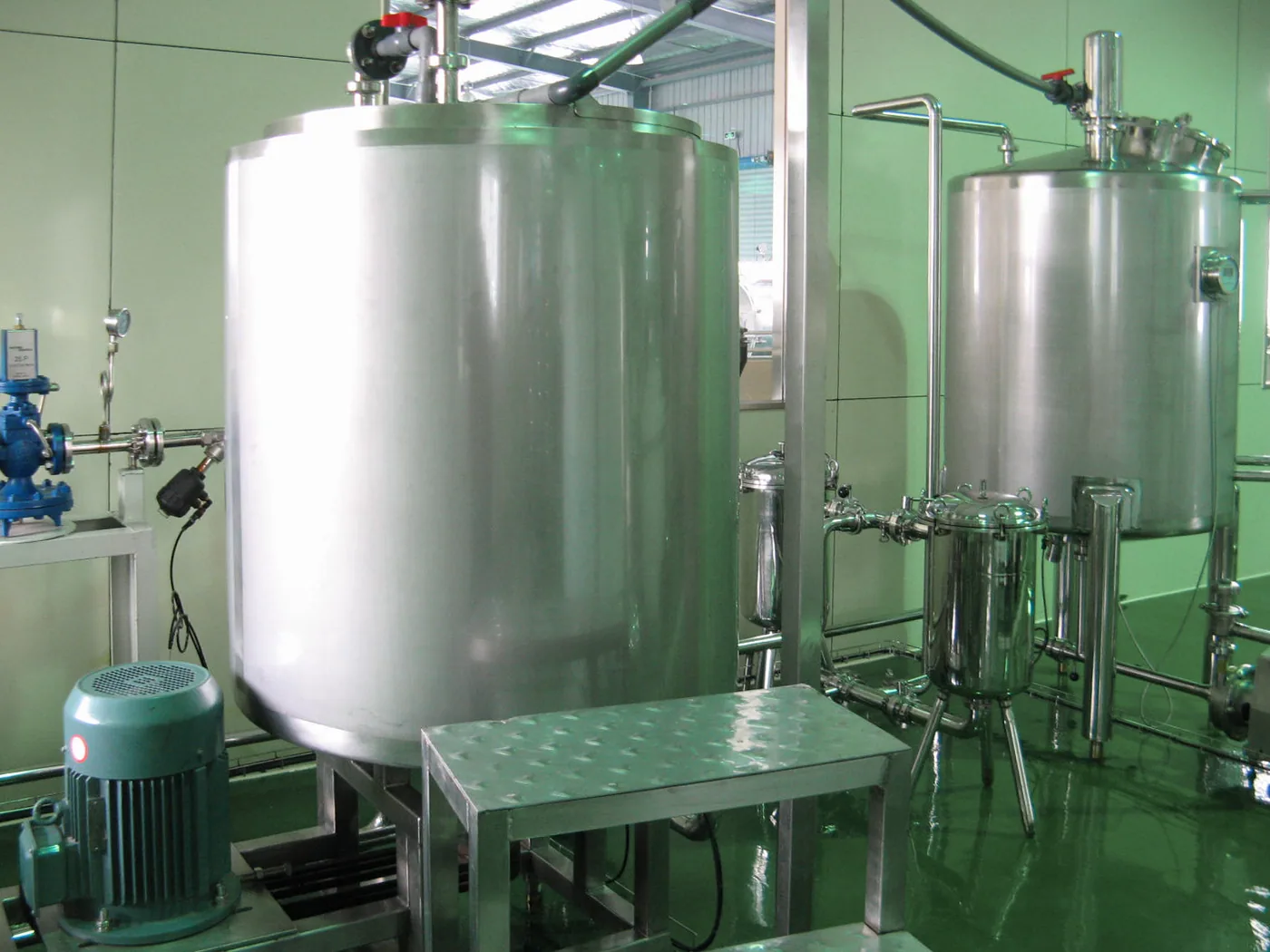
The duty
What this machine does.
Mixing is where recipe consistency and texture can conflict. A smooth puree may need gentle bulk turnover to distribute ingredients without whipping in air. A chunky guacamole needs low-shear blending that distributes onions, herbs or other additions without reducing the avocado pieces. The agitator, vessel shape, baffles and ingredient addition points should be selected together.
Working arrangement
How it is built.
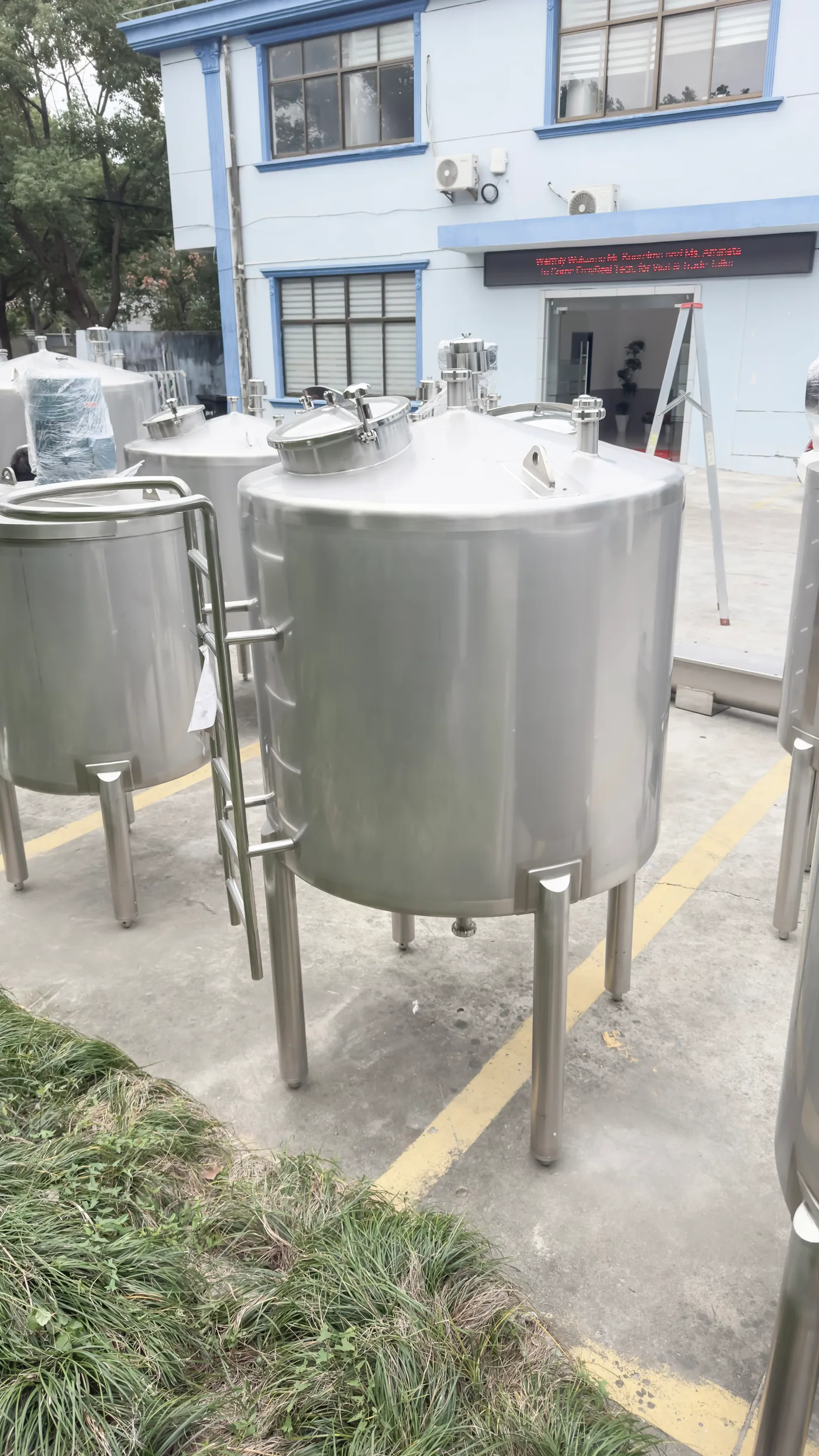
A covered stainless vessel with an agitator selected for the product, ingredient ports, a drainable discharge and cleaning access. Scraped-surface or anchor agitation can help with viscous puree; low-shear ribbons or paddles may suit chunky products. The vessel should be sized by useful working volume, not gross capacity.
Operating sequence
- 01
The vessel is charged to its validated working volume.
- 02
Ingredients are added in the agreed order.
- 03
Low-shear agitation distributes the recipe without destroying texture.
- 04
The batch is discharged through a drainable outlet and sampled.
Selection essentials
Choose it for the actual duty.
- Useful batch volume and the shortest practical cycle
- Ingredient form, addition order and dispersion needs
- Particle retention versus uniform distribution
- Air pickup, headspace and lid access
- Temperature control and cleaning of the agitator and seals
Specification
What the quotation must state.
| Model | Project-configured; no fixed catalogue model is published |
|---|---|
| Planning band | 300–2,000 L working batch, depending on output and recipe cycle |
| Agitation | Low-shear anchor, paddle, ribbon or scraped arrangement selected by texture |
| Construction | Stainless-steel vessel and contact parts; grade confirmed in the quotation |
| Cover | Lid with ingredient port and optional inert-gas connection |
| Options | Load cells, temperature control, CIP connections, discharge pump, recipe controls |
Capacity bands are for project planning. Final model, motor rating, dimensions, utilities and acceptance conditions are confirmed on the approved quotation and drawings. No catalogue model is implied where none is published.
Cleaning
Cleaning & maintenance.
Map the agitator, baffles, seals, ingredient ports and discharge. Clean product traps behind the agitator and at the shaft seal. For formulated recipes, include allergens and changeover verification in the cleaning plan.
Interfaces
Upstream & downstream.
Ingredient weighing and dosing; upstream puree or cutting; downstream pump, holding or filling; CIP and temperature services.
Technical FAQ
Questions buyers ask.
What is low-shear mixing?
Low-shear mixing moves the product gently enough to distribute ingredients without tearing or finely comminuting particles. It is a system property: agitator geometry, speed, baffles and discharge all matter, not only the motor power.
Can one mixer handle puree and chunky guacamole?
Sometimes, but the agitator and operating range must suit both. A mixer that works for smooth puree may break guacamole particles. Trial both recipes and check samples after mixing, transfer and filling before sharing equipment.
How full should the mixer be?
The working volume is the range in which the agitator and vessel behave correctly. Overfilling can reduce mixing and increase spill risk; underfilling can draw air into the product. Confirm the minimum and maximum working volumes in the trial.
Put it in context