The duty
What this machine does.
Finishing is a texture operation. It should be specified from a reference sample and a measurable texture target, not from the word “smooth”. Screen or clearance choice changes fibre length, product loss, temperature rise and cleaning difficulty. For chunky guacamole, this stage is normally bypassed; passing a particle product through a fine screen defeats the product target.
Working arrangement
How it is built.
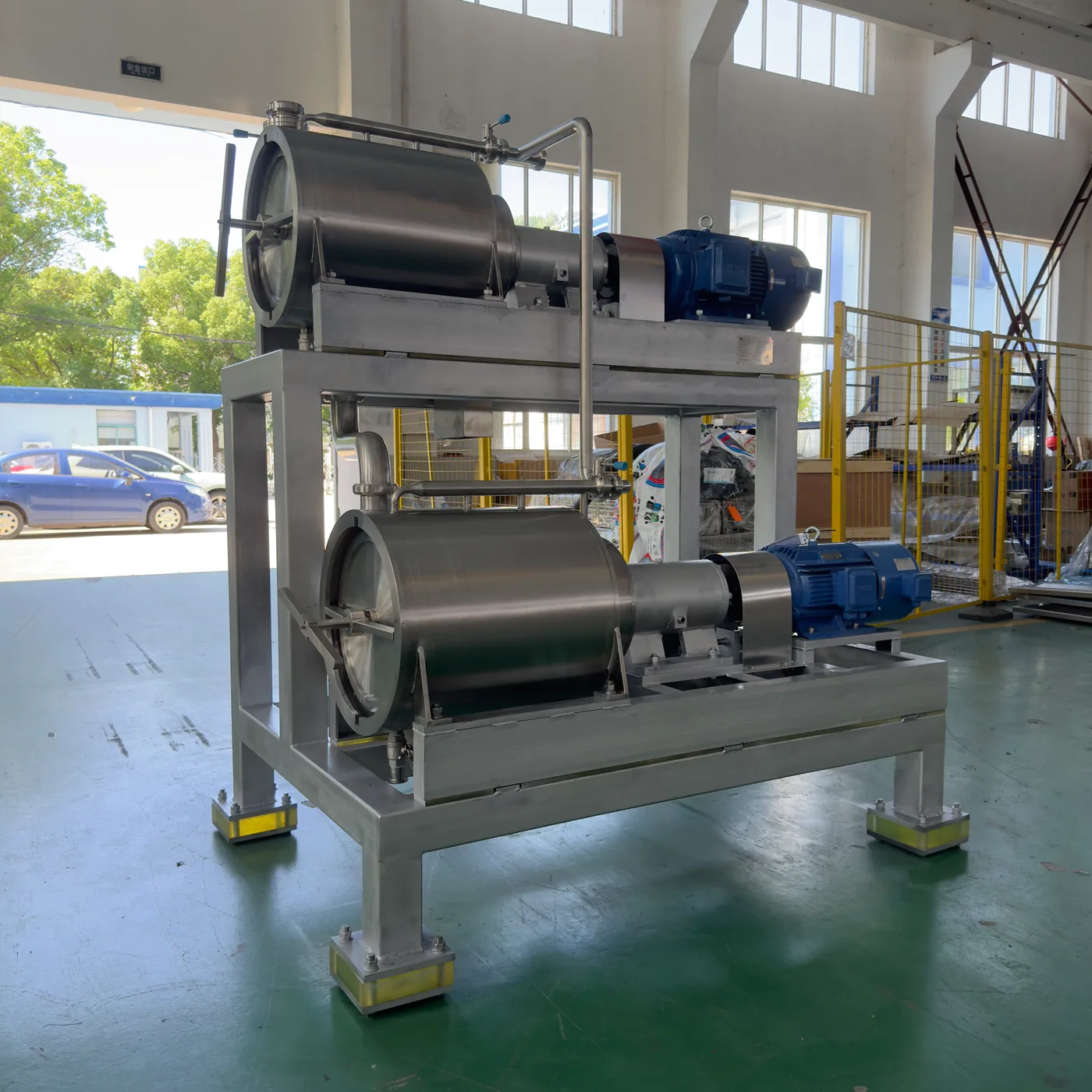
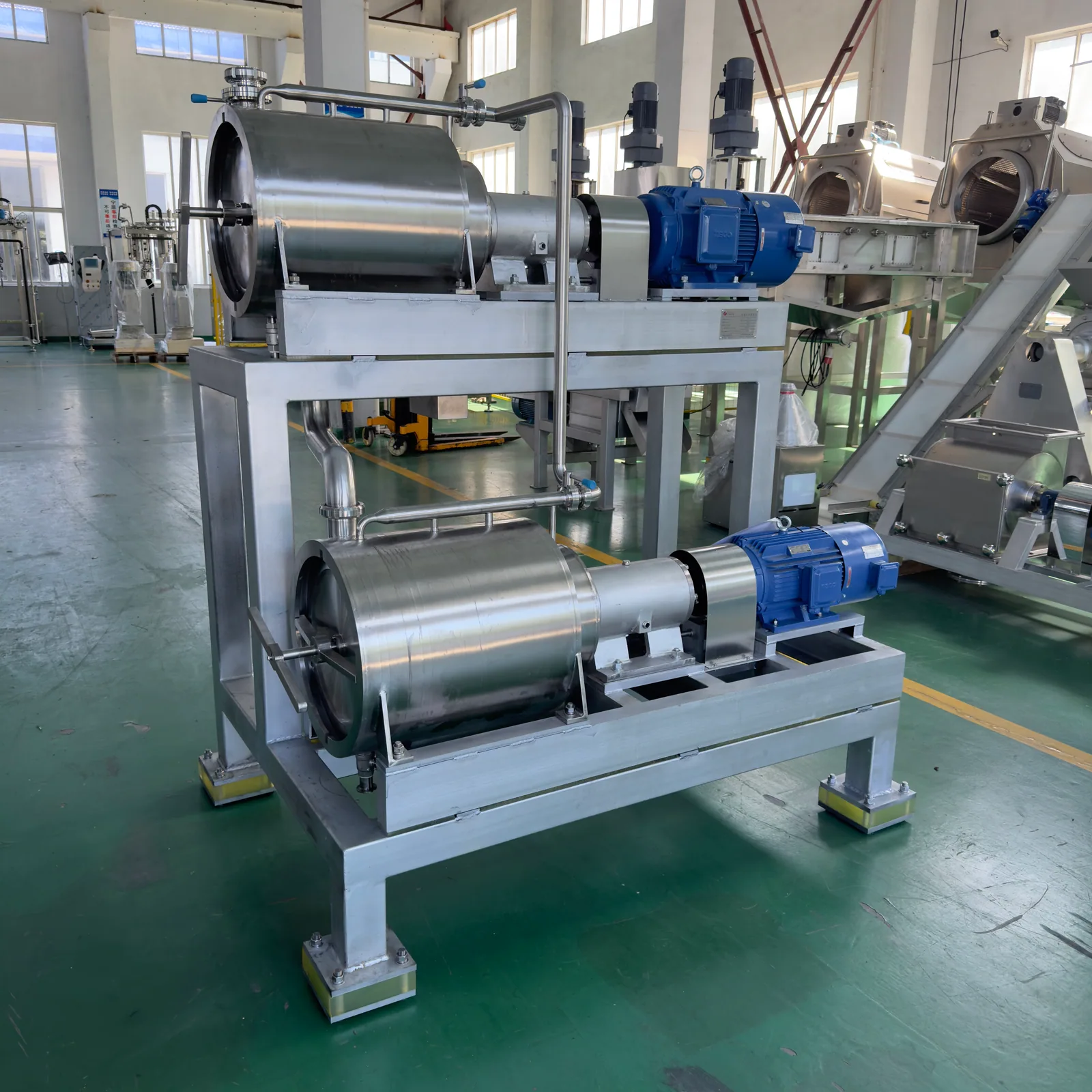
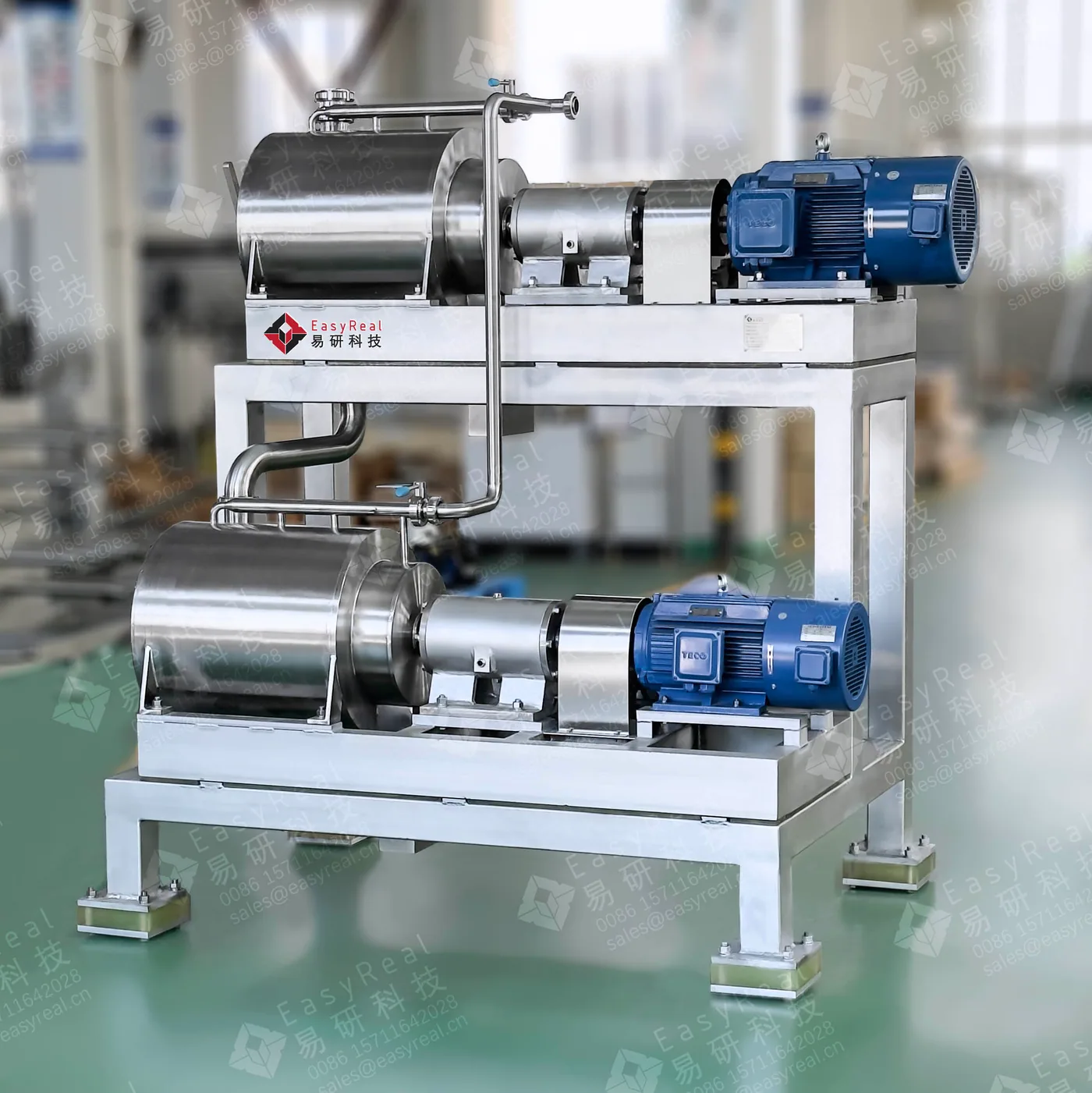
A stainless finishing chamber with a selected screen or working clearance, a controlled feed and a discharge that avoids unnecessary recirculation. The machine may be integrated with the pulper or supplied as a separate stage. Access to the screen, seals and discharge is essential for changeover and cleaning.
Operating sequence
- 01
Coarse pulp is fed without air entrainment.
- 02
The working clearance or screen reduces fibre and particle size.
- 03
Finished puree leaves through a short, cleanable discharge.
- 04
A sample is taken against the agreed texture reference.
Selection essentials
Choose it for the actual duty.
- Reference sample and a texture method agreed with the buyer
- Acceptable fibre length, grit and seed-fragment limits
- Screen changeover time and product loss at each setting
- Temperature rise through the machine
- Cleaning access and verification of fatty residue removal
Specification
What the quotation must state.
| Model | Project-configured; no fixed catalogue model is published |
|---|---|
| Planning band | 0.5–3 t/h finished puree, depending on screen and product |
| Texture control | Screen or working clearance selected from a reference sample |
| Construction | Stainless-steel product-contact parts; grade confirmed in the quotation |
| Product condition | Temperature and air pickup monitored during the trial |
| Options | Variable-speed drive, direct pump, sample valve, temperature indication |
Capacity bands are for project planning. Final model, motor rating, dimensions, utilities and acceptance conditions are confirmed on the approved quotation and drawings. No catalogue model is implied where none is published.
Cleaning
Cleaning & maintenance.
Remove and inspect the screen, seals and discharge. Clean behind the working parts where fibre and oily product collect. Confirm that the screen is undamaged before reuse and that reassembly is checked by a second person where required.
Interfaces
Upstream & downstream.
Upstream pulp extraction; downstream mixing, holding or filling; transfer pump and sample point.
Technical FAQ
Questions buyers ask.
What screen size should I use for avocado puree?
There is no universal number. Start from a reference sample and trial two or three settings with the actual fruit. Measure fibre, grit, consistency and product loss at each setting. The selected screen should be recorded as part of the product specification.
Does finishing remove all seed fragments?
No. It reduces particle size and can capture some solids, but it is not a guarantee against hard fragments. Peeling, pitting and inspection must control the incoming risk. A damaged screen or seal can also let fragments pass.
Can I use the same finisher for guacamole?
Usually not for a chunky product. Fine finishing breaks the particles that define guacamole. A separate cutting or gentle mashing path should be used, and shared equipment must be assessed for both textures.
Put it in context