Engineering guide / peeling pitting pulp extraction
Peeling vs pitting vs pulp extraction
Peeling, pitting and pulp extraction are different operations with different failure modes. Combining them can reduce transfers, but it also makes the quality gate harder to see.
01
Peeling removes skin
The target is minimum flesh loss with acceptable skin carryover. Peel adhesion changes with cultivar and ripeness, so the working method must be trialled across the fruit window. Residual skin can wrap around downstream parts and increase fibre.
02
Pitting removes the stone
The main risks are stone breakage, fragment carryover and flesh damage around the cavity. A broken stone is not only a quality defect; hard fragments can damage pumps, screens and filling valves. Inspection after pitting is part of the process, not an optional extra.
03
Pulp extraction recovers flesh
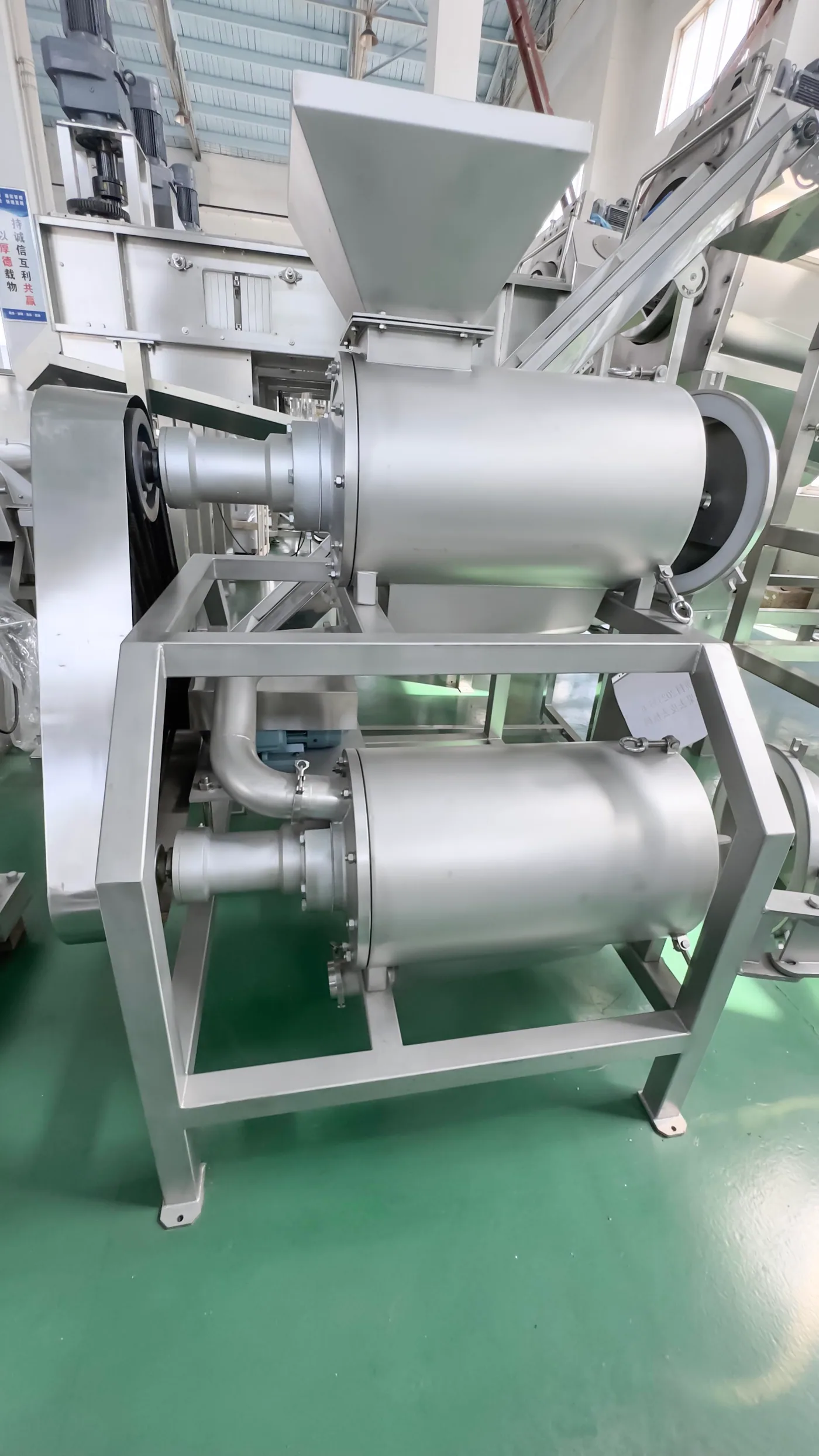
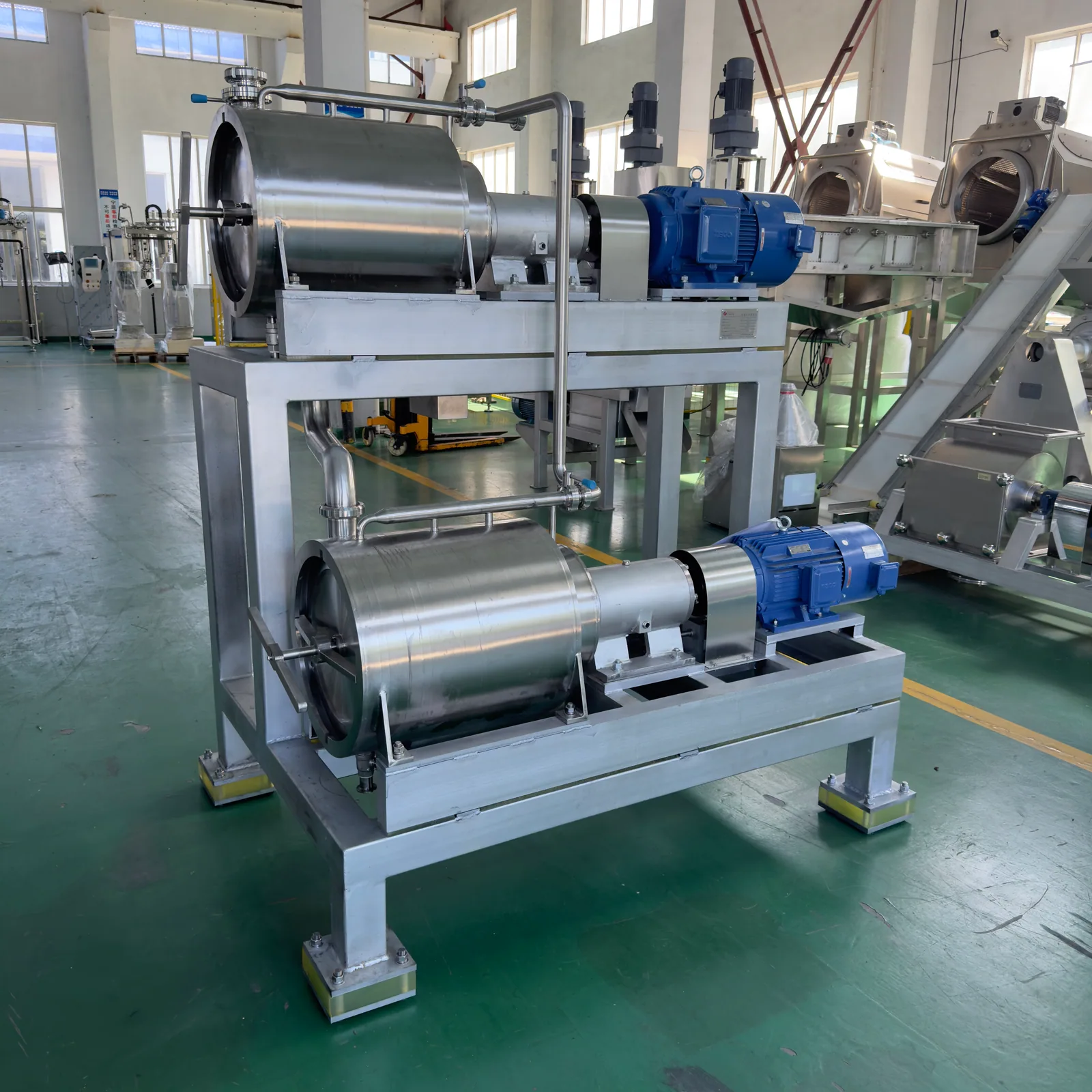
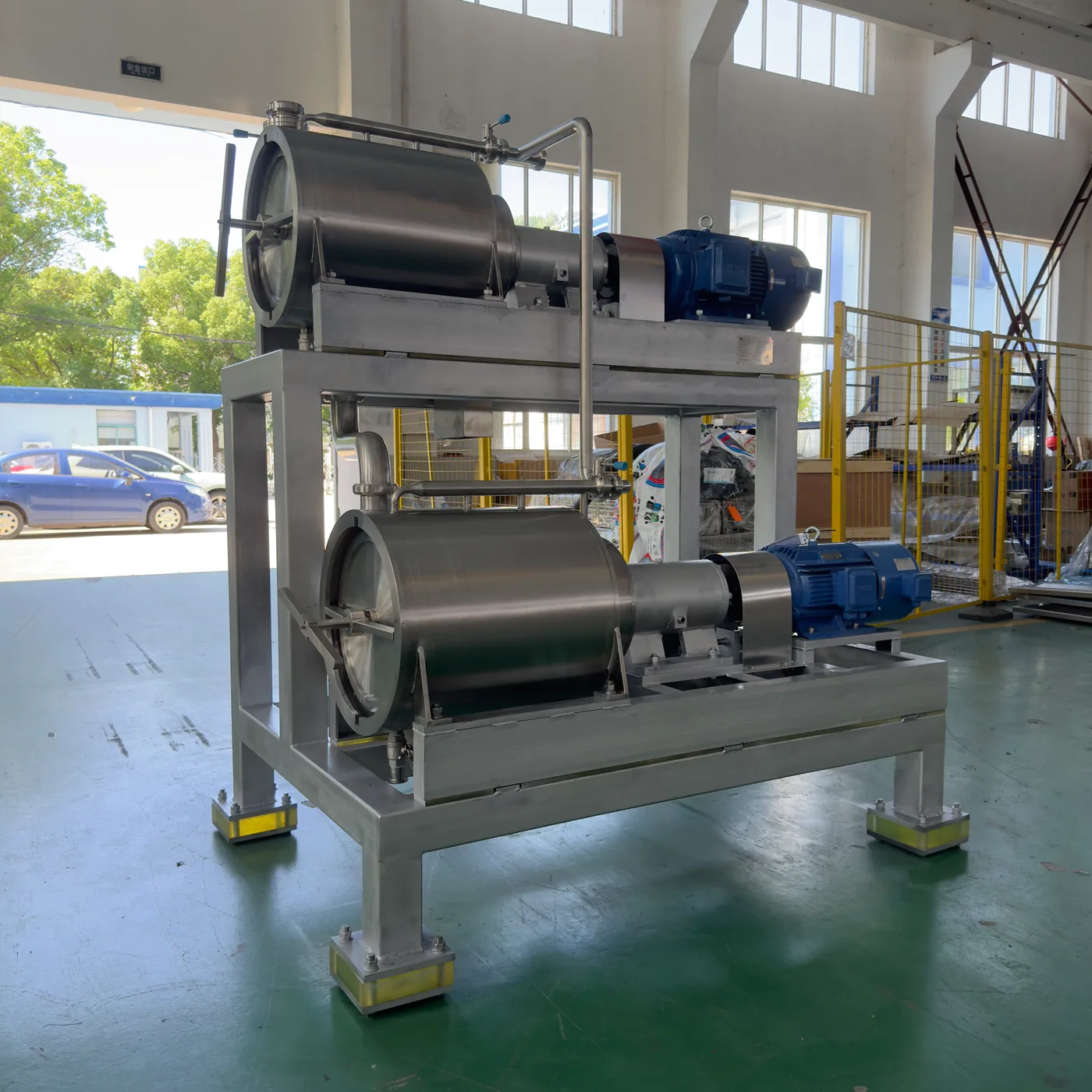
Extraction turns prepared fruit into a pumpable stream and may include coarse separation. It does not fix poor peeling or pitting. Screen or clearance choice affects texture, product loss and cleaning, so it belongs to the product trial.
04
Combined machines trade flexibility for transfers
A combined peeling and pitting machine can reduce floor space and handling. The trade-off is that one setting affects two operations and the internal working area may be harder to inspect. Separate machines can be more flexible but add transfer points and cleaning surfaces.
05
Measure at every boundary
Weigh whole fruit, peeled fruit, pitted flesh, recovered pulp and waste streams. Inspect for skin and stone fragments at each step. The mass balance tells you where the loss occurs; the inspection tells you whether the loss is acceptable.
Use this guide
Turn it into a project brief.
Share the product, input and target output. We will use the same definitions in the equipment discussion.