Processing
Where to Add Ingredients in a Guacamole Batch
Ingredient order is a texture decision before it is a recipe decision. The useful batch record separates flesh preparation, particle creation and low-shear mixing, then states exactly where each addition entered the process.
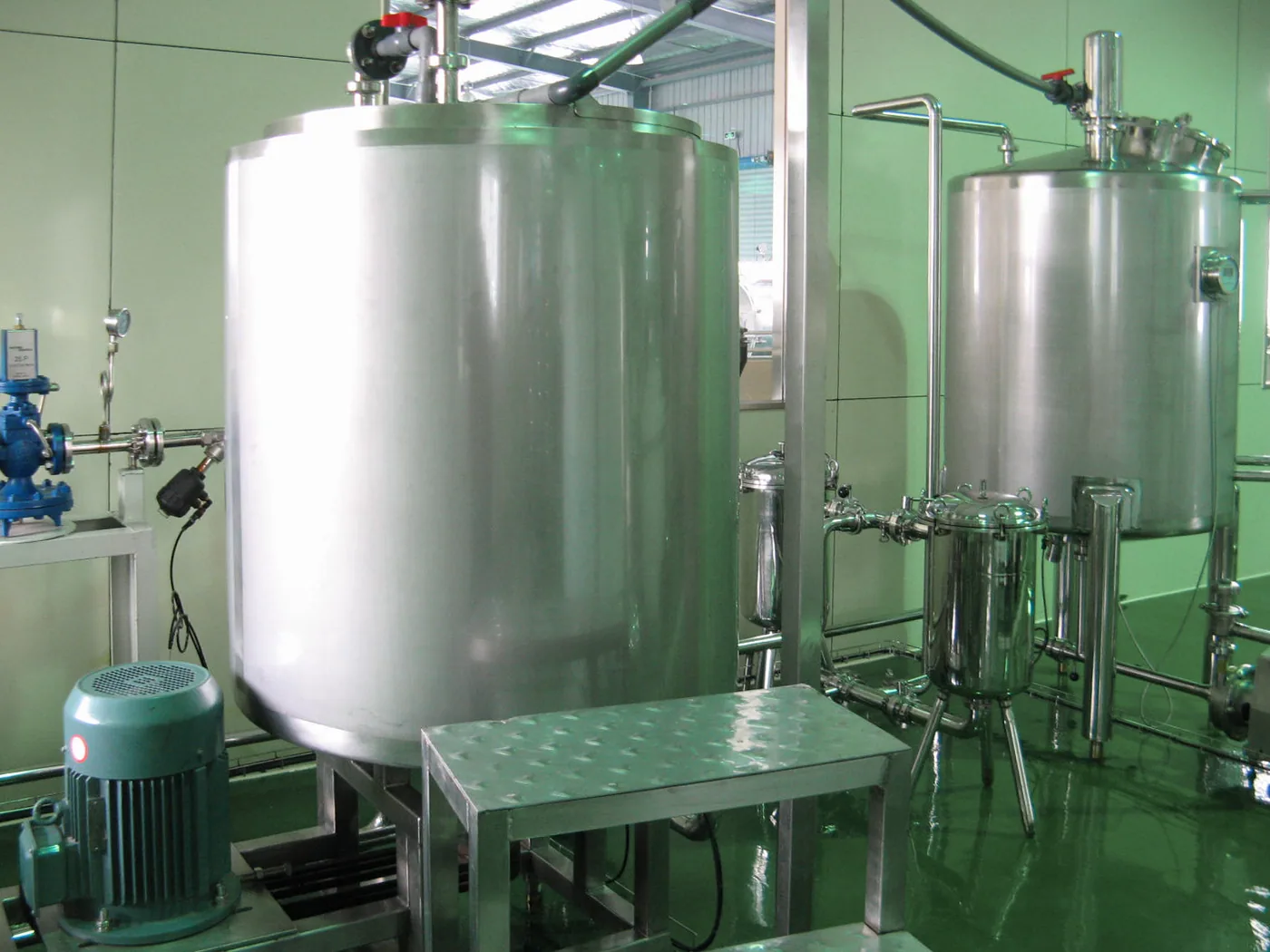
Start with the finished texture
Before discussing addition order, define what the finished guacamole should look and feel like. A useful texture brief states the largest permitted particle, the approximate retained fraction and the acceptable amount of free liquid or separation. It also states how the product will be sampled. Without those definitions, every later argument about mixing time or ingredient order is a matter of opinion.
Texture is not the only attribute affected by addition order. Colour, viscosity and water binding can change when salt, acidulants, thickeners or particulate ingredients meet the avocado flesh at different points. The point is not to prescribe a universal recipe. It is to make the sequence visible so a trial can show which step caused the change.
Separate flesh preparation from recipe mixing
Flesh preparation and recipe mixing have different hygiene and texture risks. Peeling, pitting, inspection and cutting belong on the preparation side, where peel, stones and rejected tissue can leave the product path. Recipe mixing belongs in a controlled vessel with measured additions and a defined batch identity. Moving seasoning or particulate ingredients into the preparation room because it is convenient usually makes both areas harder to clean and harder to trace.
FAO's small-scale processing manual treats raw-material care, sanitation and process control as connected parts of the same operation. UNIDO's small-scale fruit and vegetable processing guidance makes a similar point about production methods and quality assurance: the record has to follow the material, not just the final batch. In practice, that means weighed avocado flesh should arrive at the mixer with a lot identity, and every addition should be recorded against that identity.
Assess low-shear addition points
A low-shear mixer does not make every addition gentle. Dry powders can form lumps if they are dumped onto the surface; acidulants can create localised changes if they are not dispersed; large inclusions can be damaged by a fast agitator even when the impeller is described as low shear. The addition point, the agitator speed and the fill level all matter.
A practical trial usually compares a pre-blended dry addition with a direct addition, and a late particulate addition with an early one. The comparison should use the same flesh lot and the same mixing time, otherwise the result confounds ingredient order with raw-material variation. Sample after each addition and after the final mix. Record the largest particle, the retained fraction and any visible free liquid.
- Add small-dose dry ingredients as a pre-blend or dispersion rather than a dry slug.
- Introduce acidulants and salts with enough agitation to disperse them, but not so much that the flesh is sheared.
- Add fragile particulate ingredients late, after the base is uniform and the agitator has been reduced to the transfer setting.
- Do not infer additive legality, recipe safety or shelf life from a mixing trial.
Track batch history and transfers
The batch record should identify the flesh lot, each ingredient lot, the weighed quantity, the addition order and the time. It should also record the agitator setting, product temperature, mixing time and the sampling points. If the batch is split between two fillers or held before packing, record that split and the hold condition. A finished pack that cannot be tied back to those facts is difficult to investigate if a customer reports a texture problem.
Transfers deserve the same attention as mixing. A pump with a narrow passage, a valve with a sharp seat or a filling nozzle that crushes the largest piece can undo a good mix in a few seconds. Sample at the mixer outlet and again at the filler. If the particle profile changes across the transfer, the problem is downstream of the recipe.
Cleaning and changeover belong in the same record. State which vessel, line and filler were used, what was cleaned before the batch and what was inspected afterwards. A batch history that stops at the mixer is only half a history.
What to settle before the first production trial
Agree the texture reference, the sampling method and the acceptance range before the trial starts. Decide which additions will be pre-blended, which will be added at the vessel and which will be added late. Confirm that the pump, valve and filler can pass the largest permitted particle. Confirm the cleaning procedure for the vessel and the transfer path. Then run the trial with a flesh lot that has been assessed, not with an unclassified load.
The result should be a sequence that can be repeated by a second shift, not a recipe that lives only in one operator's memory. If the sequence depends on a particular ingredient brand or a particular fruit condition, write that down. The next batch will be easier to control, and the next product change will be easier to evaluate.
Sources
What this article is based on.
UNIDO, Small-scale fruit and vegetable processing and products ↗Production methods and quality-assurance context for small-scale fruit and vegetable processing. No industrial throughput or financial return is implied.
FAO, Technical manual on small-scale processing of fruits and vegetables ↗Raw-material care, sanitation, process description and quality-control vocabulary. Recipe quantities and additive legality still require product-specific review.
Keep reading
Related analysis.
The News archive connects raw material, processing and evidence questions without repeating the technical guides.
Your next step
Bring the batch sequence into the equipment discussion.
Share the particle target, the additions and the pack format. We can compare mixer, transfer and filling arrangements against that brief.