Production line / Chilled, short-hold processing
Fresh avocado pulp processing line
Fresh pulp is judged quickly and close to the point of use. The equipment should shorten the time between opening the fruit and closing the pack, control product temperature and avoid unnecessary air contact. This is a different priority from a frozen ingredient line, where bulk packing and freeze–thaw performance may dominate.
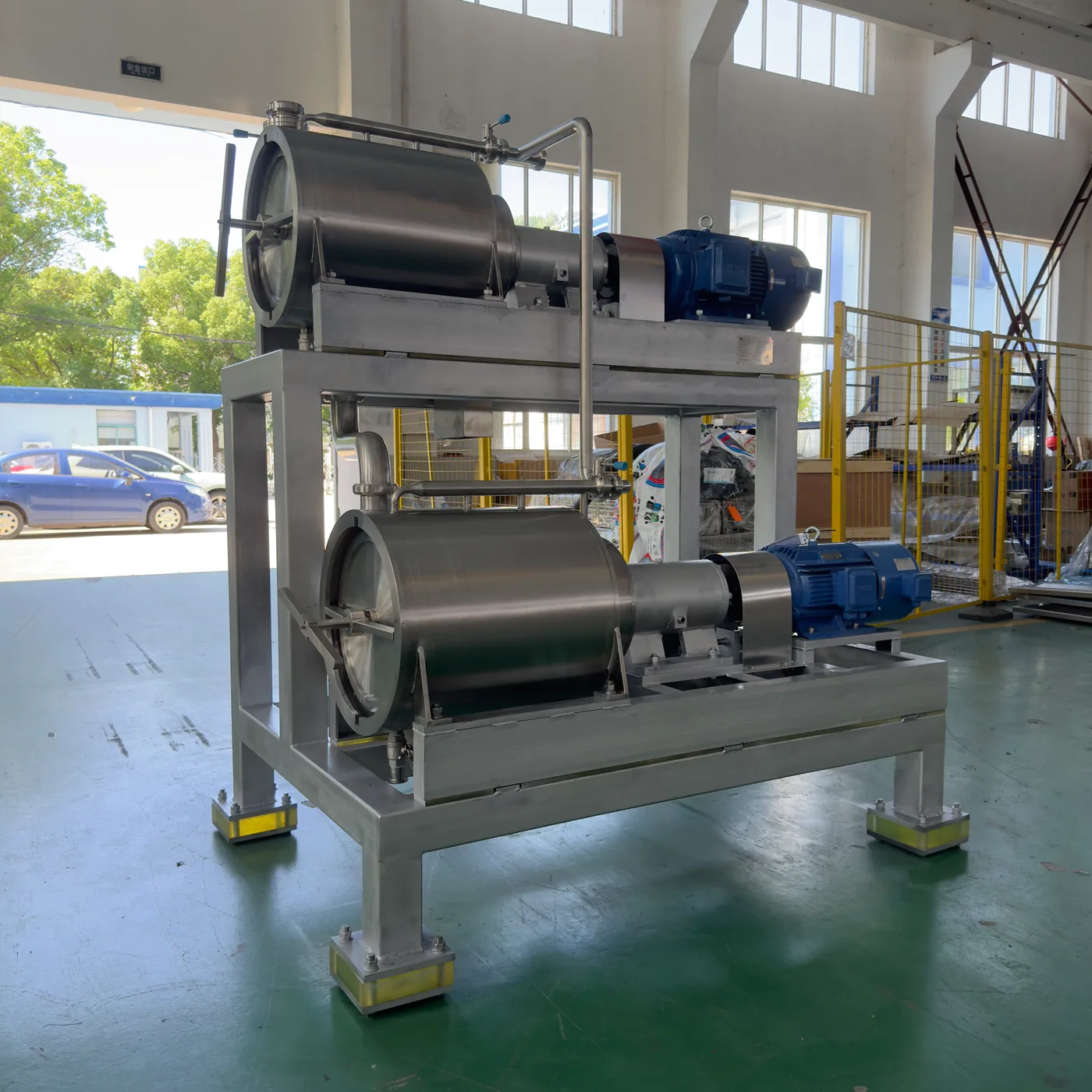
Line logic
What defines this configuration.
01
Start from the service life you need
Define the chilled distribution time, the pack size and the conditions at opening. The line design, package and any preservation interface must be validated together. Fresh pulp is not automatically a short-hold product, and a short hold is not a safety guarantee.
02
Keep the exposed path short
Locate preparation, finishing, mixing and filling close together. Avoid unnecessary buffer tanks and open transfers. If a hold is required, define its maximum time, temperature and agitation rather than treating the tank as free capacity.
03
Protect colour at the transfer points
Air can enter at a starved pump inlet, a splashing return or an over-agitated tank. Check the product path during startup and rundown, not only at steady state. Sample colour at the filler and after the intended storage period.
04
Match the pack to the route
Small retail packs, foodservice pouches and bulk containers need different filling and sealing arrangements. Confirm the package compatibility with the selected preservation route before fixing the filler.
Equipment in this line
Click through the modules.
- 01
Raw-material control
Avocado Inspection Conveyor
Present whole avocados for lot identification, condition checks and reject segregation before washing or peeling.
- 02
Surface preparation
Avocado Washing Machine
Remove soil and field debris from intact whole fruit before the skin is opened, while protecting ripe fruit from bruising.
- 03
Critical separation
Avocado Peeling & Pitting Machine
Open the fruit and separate skin and stone from recoverable flesh with the least practical damage and the clearest waste streams.
- 04
Flesh recovery
Avocado Pulp Extraction Machine
Recover avocado flesh from peeled and pitted fruit, separate unacceptable solids and feed the texture stage at a controlled rate.
- 05
Smooth-texture control
Avocado Puree Finishing Machine
Reduce fibre and particle size to meet an agreed smooth-puree specification without overheating or aerating the product.
- 06
Recipe preparation
Guacamole & Puree Mixing Machine
Distribute recipe ingredients uniformly while controlling air pickup and protecting the required texture.
- 07
Texture-sensitive transfer
Avocado Puree Transfer Pump
Move viscous avocado puree or chunky guacamole at the required flow without excessive pressure, air pickup or particle damage.
- 08
Process buffering
Avocado Puree Holding Tank
Balance the line with the smallest practical hold while protecting colour, texture and batch identity.
- 09
Bulk and retail filling
Avocado Puree Filling Machine
Dose avocado puree into bulk bags, drums, pouches or retail packs with a clean seal area and a product-friendly path.
Technical FAQ
Questions to settle.
What is the difference between fresh and frozen pulp lines?
A fresh line prioritizes short exposure, temperature control and the chilled pack. A frozen line adds bulk packing, freezing and frozen storage, and must consider texture after thawing. The preparation front end can be similar, but the downstream boundary is different.
Can fresh pulp be made without a preservative?
The recipe and preservation route are product-development and food-safety decisions. This site does not prescribe an additive or claim a shelf life. Validate the complete product and package with the responsible food-safety professional.
Your next step
Configure this line around your product.
Share the input, target output, pack and preservation route. We will identify the modules and the interfaces that need agreement.