Quality & co-product
Avocado Peel and Pits: A Practical Residue Handoff
Peel and pits are not one waste stream. Separate collection, a moisture record and a named destination turn a messy by-product into a traceable handoff without pretending it is a profitable product.
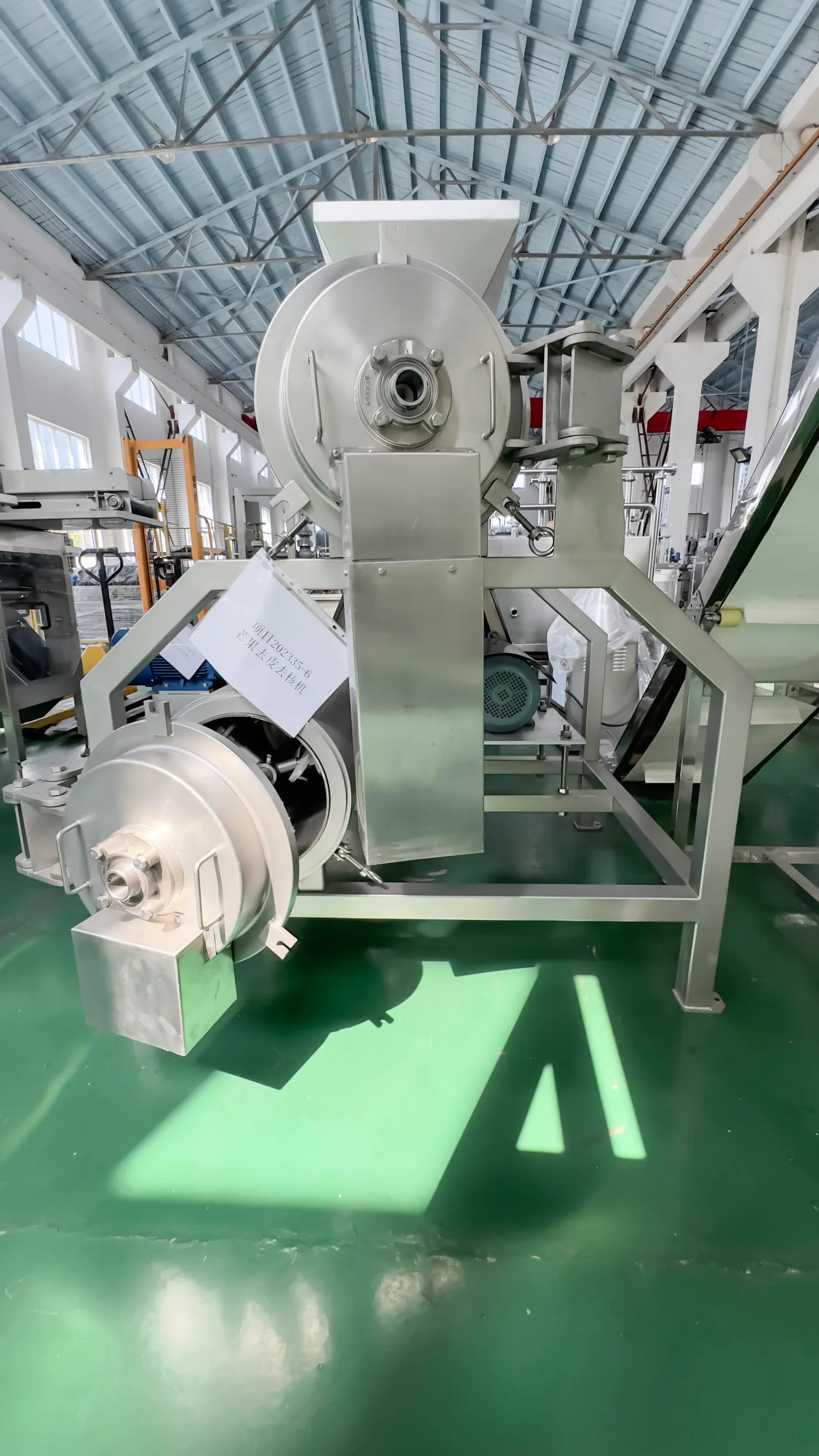
Map separate collection points
The residue map starts at the first cut. Peel leaves the fruit at the peeling station, pits leave at the pitting station, and rejected flesh leaves at inspection. Wash solids, packaging waste and cleaning water may join the picture later. If all of these materials share one open bin, the plant loses the ability to describe any of them accurately. It also makes contamination harder to see and pest control harder to run.
Give each stream a defined collection point, container and label. Containers should be closable where the material is wet or attractive to pests, and they should be emptied on a schedule rather than when someone notices. The person who empties a container should be able to record which lot it came from. That link is what makes the handoff traceable.
- Keep peel, pits, rejected flesh and general packaging waste in separate containers.
- Use labels or colour coding that remain readable when the container is wet.
- Define who empties each container, how often and where it goes next.
Keep residue out of product handling
Physical separation is the first control. Residue containers should not sit above or beside open product containers, and they should not share scoops, knives or trolleys with the product path. Stone fragments are a particular concern: a broken pit can create a hard fragment that is difficult to see in flesh and is not a texture variable. Inspection after pitting should look for fragments, and any tool that contacts pits should be checked for damage.
Traffic matters as much as container placement. If the residue route crosses the clean preparation route, the plant is relying on people to remember a rule under production pressure. A simple one-way flow, a separate door or a defined collection time can be more effective than another sign. Cleaning between residue handling and product handling should be written into the shift routine, not left to the end of the day.
Define moisture and transport records
Peel and pits are wet materials, and their mass changes with draining, evaporation and the amount of adhering flesh. A handoff record should state the mass, the container, the time and the destination, and it should say how moisture or dry matter was assessed if that value matters to the receiver. A laboratory method, a simple drain-and-weigh routine or a visual description can all be valid, provided the method is named and used consistently.
Transport records should identify the carrier, the vehicle or container, the departure time and the receiving site. If the material is held on site before collection, record the holding condition and the maximum intended hold. A residue that sits in a warm room for an unspecified time is no longer the same material that left the peeling line. The record should make that change visible rather than assuming it away.
Evaluate destinations case by case
Possible destinations include animal feed, composting, anaerobic digestion, land application and further extraction. Each has its own acceptance criteria, local rules and handling requirements. A destination that works for one plant may be unavailable to another because of distance, volume, season or the receiving site's own quality system. The existence of a possible use is not evidence that a market exists for this particular stream.
FAO's juice-processing chapter notes that residues from high-value fruit can be further extracted for useful components. That is a reasonable research direction, not a statement that a peeling line includes an oil press or that a co-product will be profitable. If extraction is being considered, it needs its own mass balance, its own trial and its own buyer. The peel and pit handoff described here is the upstream step that makes such an evaluation possible.
For each destination, write down what the receiver will accept, what they will reject, how the load is identified and who confirms receipt. If the answer is unclear, the material should not be described as sold or recycled. 'Destination under evaluation' is an honest status and a useful one.
What not to claim
Do not claim that a residue is zero waste, carbon neutral, profitable or nutritionally valuable without evidence specific to the stream and the destination. Do not describe a laboratory extraction result as an industrial process. Do not imply that the equipment on this site includes an oil extraction or co-product plant unless that scope has actually been quoted and verified.
The practical value of the handoff record is narrower and more durable: it shows where the material came from, how much there was, what condition it was in and where it went. That is enough to manage the stream, answer a customer question and decide whether a further use deserves a trial.
Sources
What this article is based on.
FAO, Principles and practices of small- and medium-scale fruit juice processing, Chapter 6 ↗General principles for fruit receiving, extraction, separation and residue handling. It does not establish an avocado co-product business.
UNIDO, Small-scale fruit and vegetable processing and products ↗Production and quality-assurance context. Equipment scope and residue destinations remain project-specific.
Keep reading
Related analysis.
The News archive connects raw material, processing and evidence questions without repeating the technical guides.
Your next step
Define the residue boundary with the line.
Share the preparation method, the residue volumes you actually observe and the intended destination. We can discuss the collection and handoff interfaces alongside the process scope.