Engineering guide / puree vs guacamole processing
Avocado puree vs guacamole processing
Both products start with avocado flesh. The difference is what the line does to the flesh after recovery, and how it protects that decision through packaging.
01
Smooth puree is a finishing decision
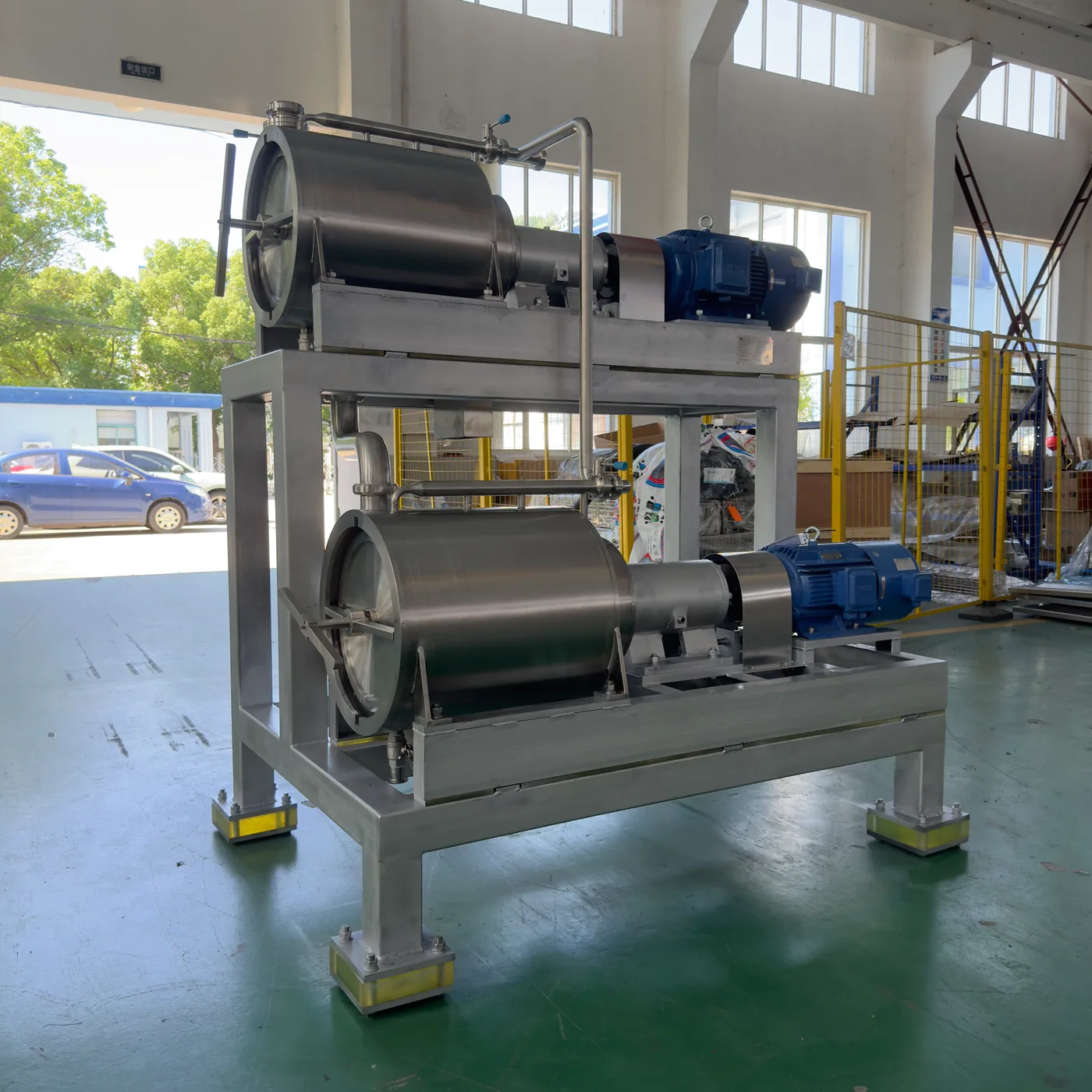
Puree uses a screen or working clearance to reduce fibre and particle size. The target should be a reference sample and a measured texture, not a generic adjective. Finishing also changes product loss, temperature and cleaning load.
| Decision | Smooth puree | Chunky guacamole |
|---|---|---|
| Texture step | Finishing / screen | Cutting or gentle mashing |
| Mixing | Controlled bulk mixing | Low-shear, particle-friendly |
| Transfer | Viscosity-led | Particle passage plus viscosity |
| Filling | Smooth-product dosing | Particle-friendly nozzle |
| Typical risk | Over-finishing, air pickup | Particle breakdown |
02
Guacamole is a particle-retention decision
Guacamole uses controlled cutting or gentle mashing and bypasses fine finishing. The largest piece and retained fraction define the product. Every downstream passage must be checked against those particles.
03
Mixing must match the texture
A high-shear mixer may be appropriate for some formulated smooth products but is usually wrong for chunky guacamole. Low-shear mixing distributes ingredients while preserving pieces. Trial the actual recipe and check after transfer, not only at the mixer.
04
Pumps and fillers are part of the texture
A pump that handles puree may damage guacamole. Valve type, pipe bends, nozzle diameter and recirculation all matter. The filling trial should use the real product and pack.
05
Changeover needs a physical plan
If one line makes both products, define the bypass, dedicated parts and cleaning procedure. A recipe change on a shared line is a quality risk, not only a scheduling task.
Use this guide
Turn it into a project brief.
Share the product, input and target output. We will use the same definitions in the equipment discussion.