The duty
What this machine does.
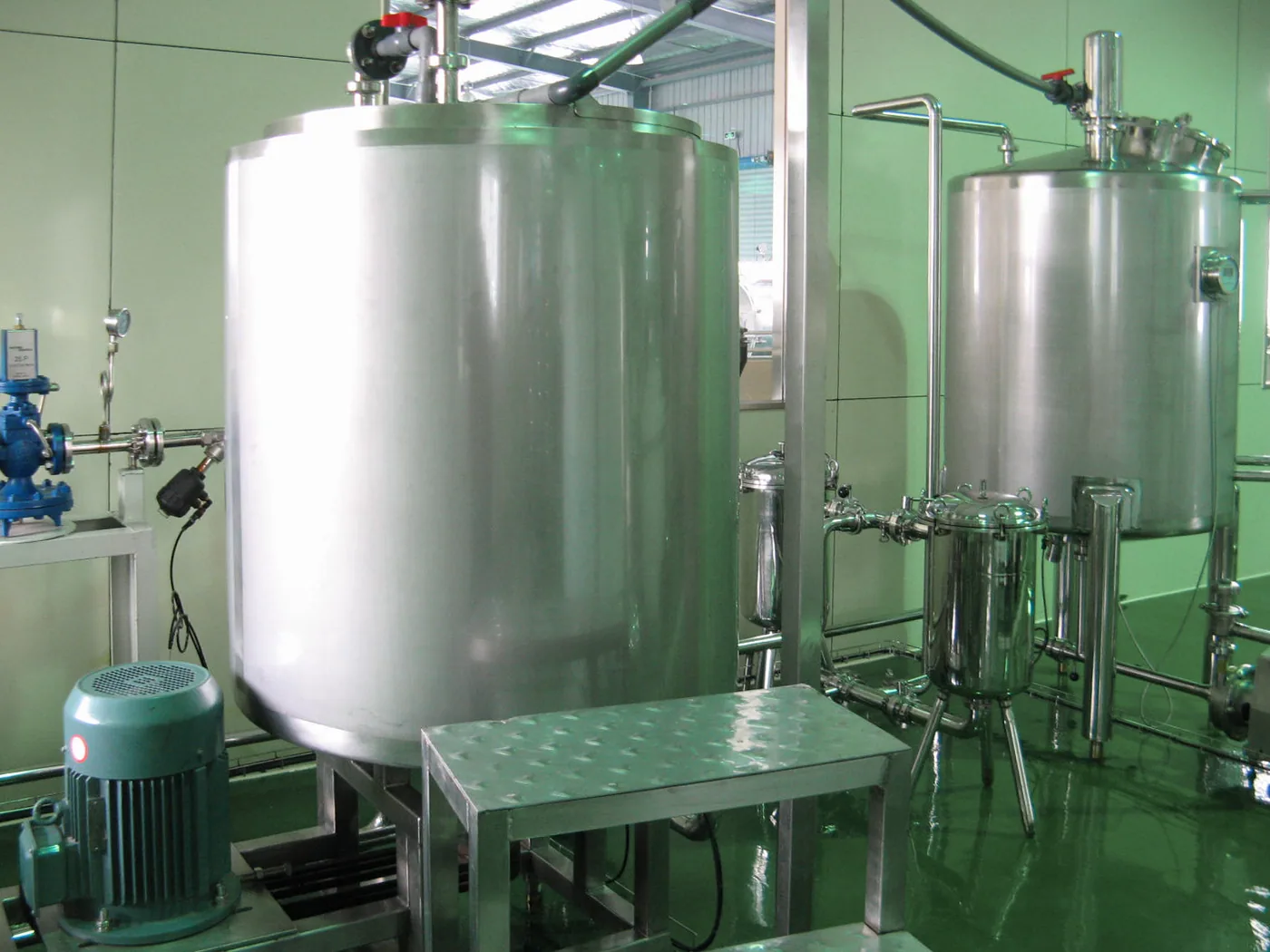
Guacamole texture is defined by particles, not by a single machine setting. The cutter or masher creates the initial profile; pumps, valves, mixers and filling nozzles can destroy it afterwards. The practical target is a particle-size distribution that survives the whole line. Very soft fruit may not retain pieces at all, so ripeness and fruit selection belong in the same decision.
Working arrangement
How it is built.
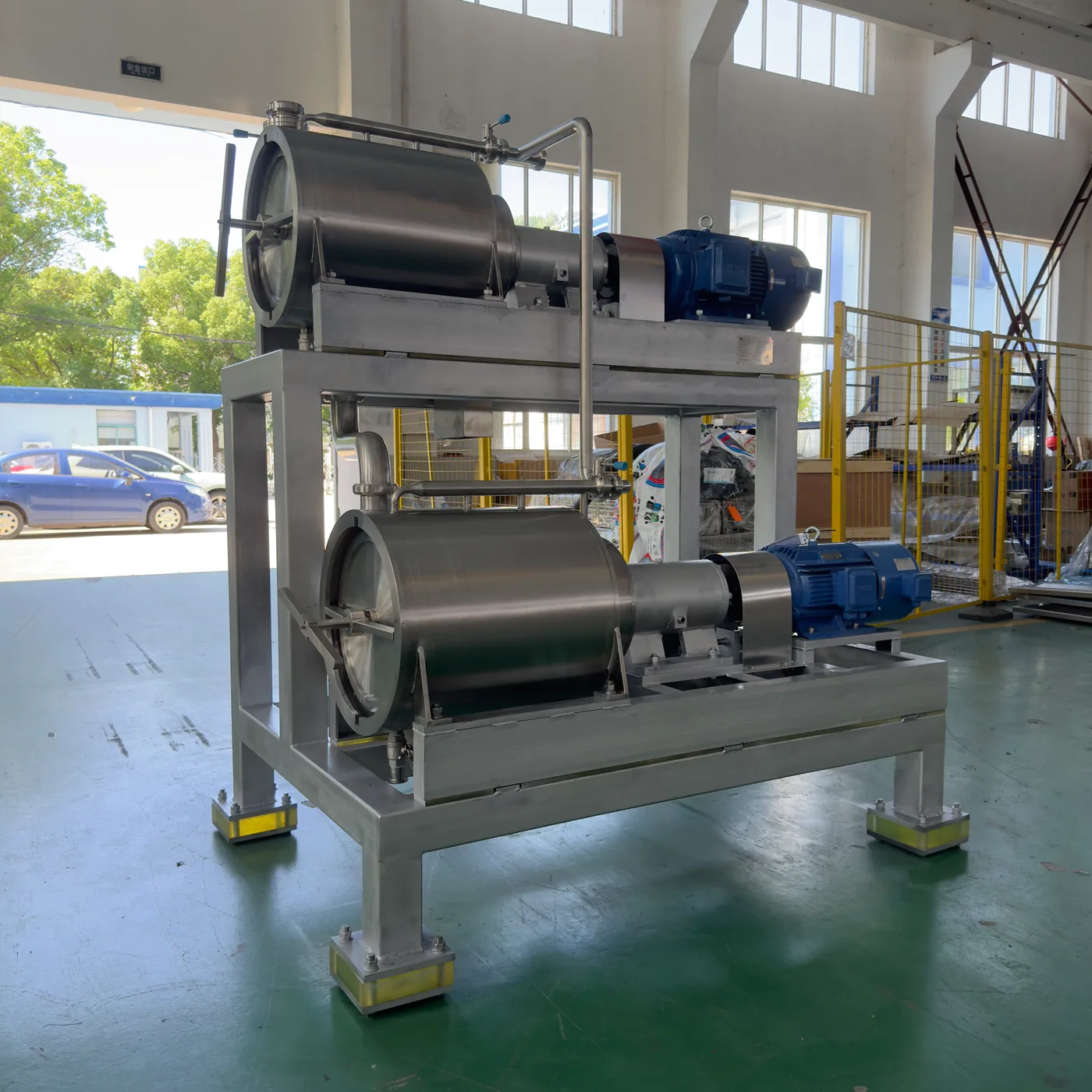
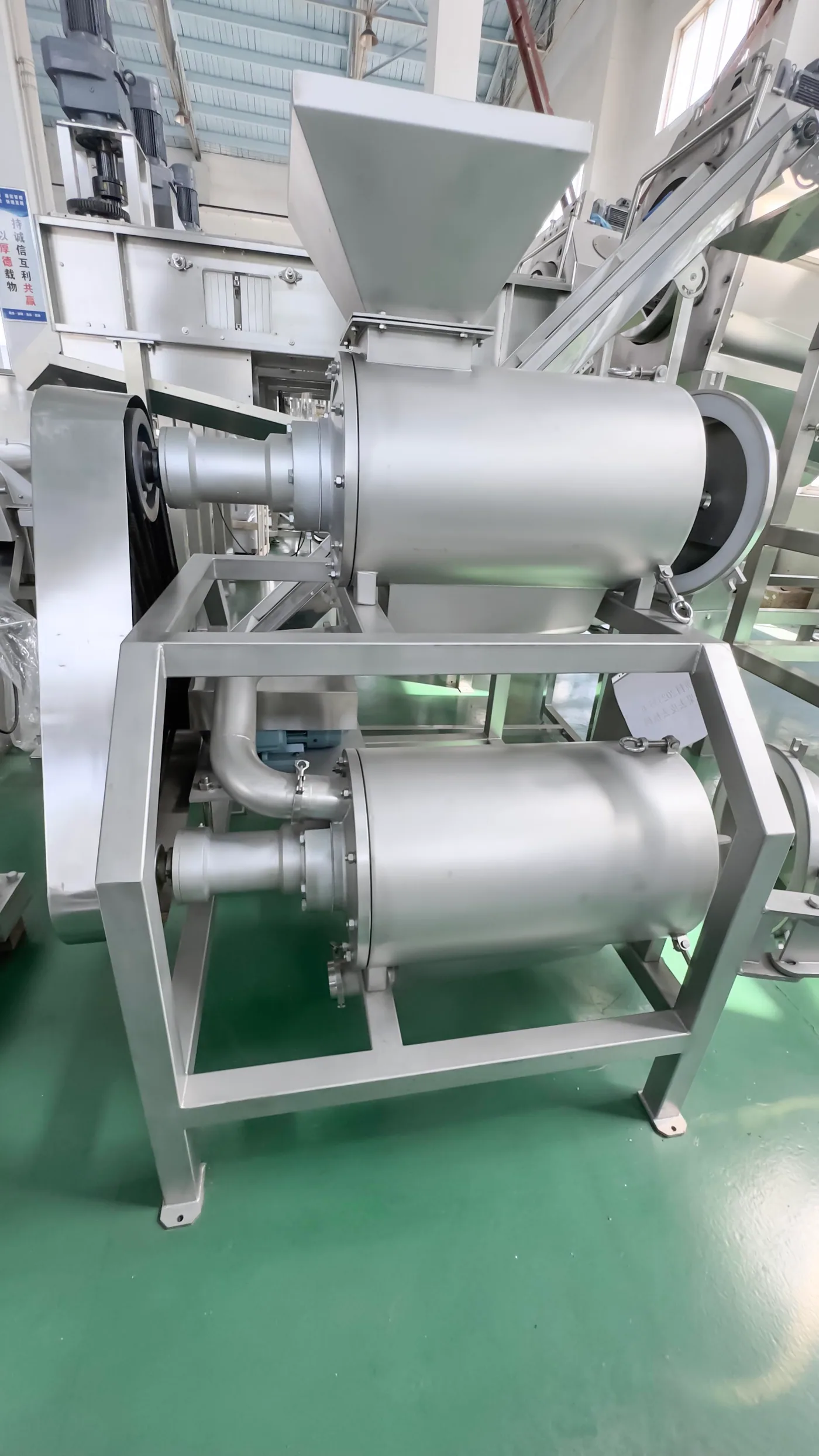
A controlled cutting or mashing head with a defined aperture, knife grid or working action, fed at a steady rate. The discharge should be short and low-drop. Removable working parts, safe isolation and access for inspection are essential. The machine may be a standalone cutter or an in-line unit ahead of the mixer.
Operating sequence
- 01
Firm-ripe flesh is presented at a controlled rate.
- 02
A knife grid, rotor or masher creates the target particle profile.
- 03
The product leaves through a low-drop discharge.
- 04
A sample is checked for the largest piece and retained fraction.
Selection essentials
Choose it for the actual duty.
- Target largest particle and full size distribution
- Fruit firmness needed to retain the pieces
- Damage after mixing, pumping and filling, not only at the cutter
- Safe access to knives and working parts
- Changeover and cleaning between recipes
Specification
What the quotation must state.
| Model | Project-configured; no fixed catalogue model is published |
|---|---|
| Planning band | 0.3–1.5 t/h prepared flesh, depending on particle target and machine type |
| Particle target | Typically 5–15 mm visible pieces, agreed on a reference sample |
| Construction | Stainless-steel frame and food-contact parts; grade confirmed in the quotation |
| Working parts | Knife grid, rotor or masher selected for the recipe |
| Options | Variable-speed drive, interchangeable grids, direct low-drop transfer |
Capacity bands are for project planning. Final model, motor rating, dimensions, utilities and acceptance conditions are confirmed on the approved quotation and drawings. No catalogue model is implied where none is published.
Cleaning
Cleaning & maintenance.
Isolate the drive, remove guards and working parts, and clean all contact surfaces. Inspect knives, grids and seals for damage. Confirm that no fragments remain before reassembly. Cleaning time should be included in the production schedule.
Interfaces
Upstream & downstream.
Upstream flesh inspection; downstream low-shear mixer; product-friendly pump and filling line.
Technical FAQ
Questions buyers ask.
What particle size is typical for guacamole?
Many products target visible pieces in the range of roughly 5–15 mm, but the specification belongs to the buyer's recipe and market. Agree the largest permitted piece and the retained fraction, then test the complete line.
Can I use a blender or high-shear mixer?
High-shear mixing is generally wrong for chunky guacamole because it reduces the particles that define the product. Use a low-shear mixer and verify the result after transfer and filling.
Why do the pieces disappear after filling?
The damage may come from a pump, a narrow valve, a recirculation loop or a filling nozzle. Compare samples after cutting, mixing, transfer and filling to locate the change. Adjusting only the cutter will not solve a downstream restriction.
Put it in context