The duty
What this machine does.
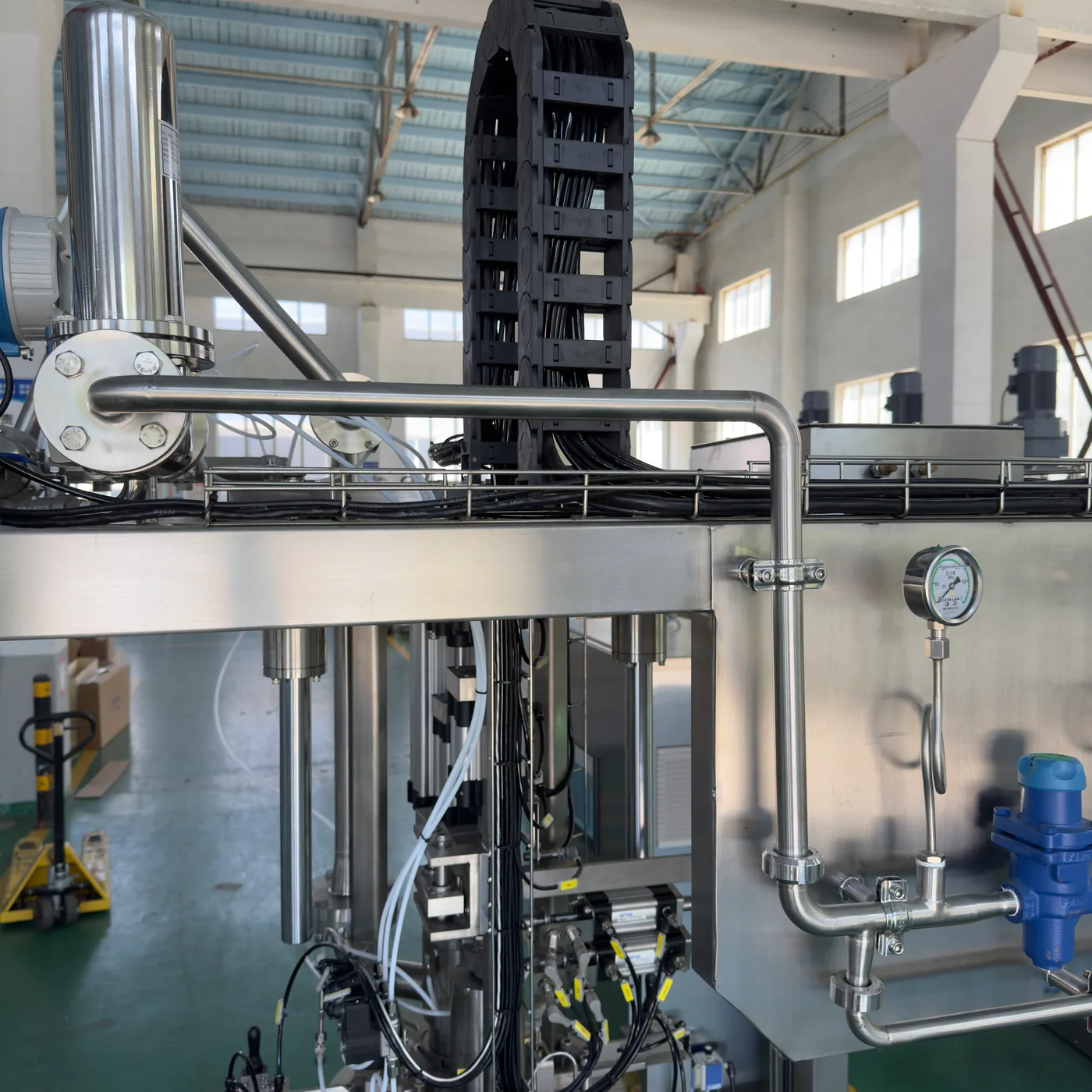
Avocado products are non-Newtonian, temperature-sensitive and, in guacamole, particle-bearing. A pump selected on water flow can starve, overheat the product or destroy the texture. The duty should be described at the actual operating temperature, with viscosity method, largest particle, pipe route and downstream pressure. The pump, pipework, valves and filling nozzle are one system.
Working arrangement
How it is built.
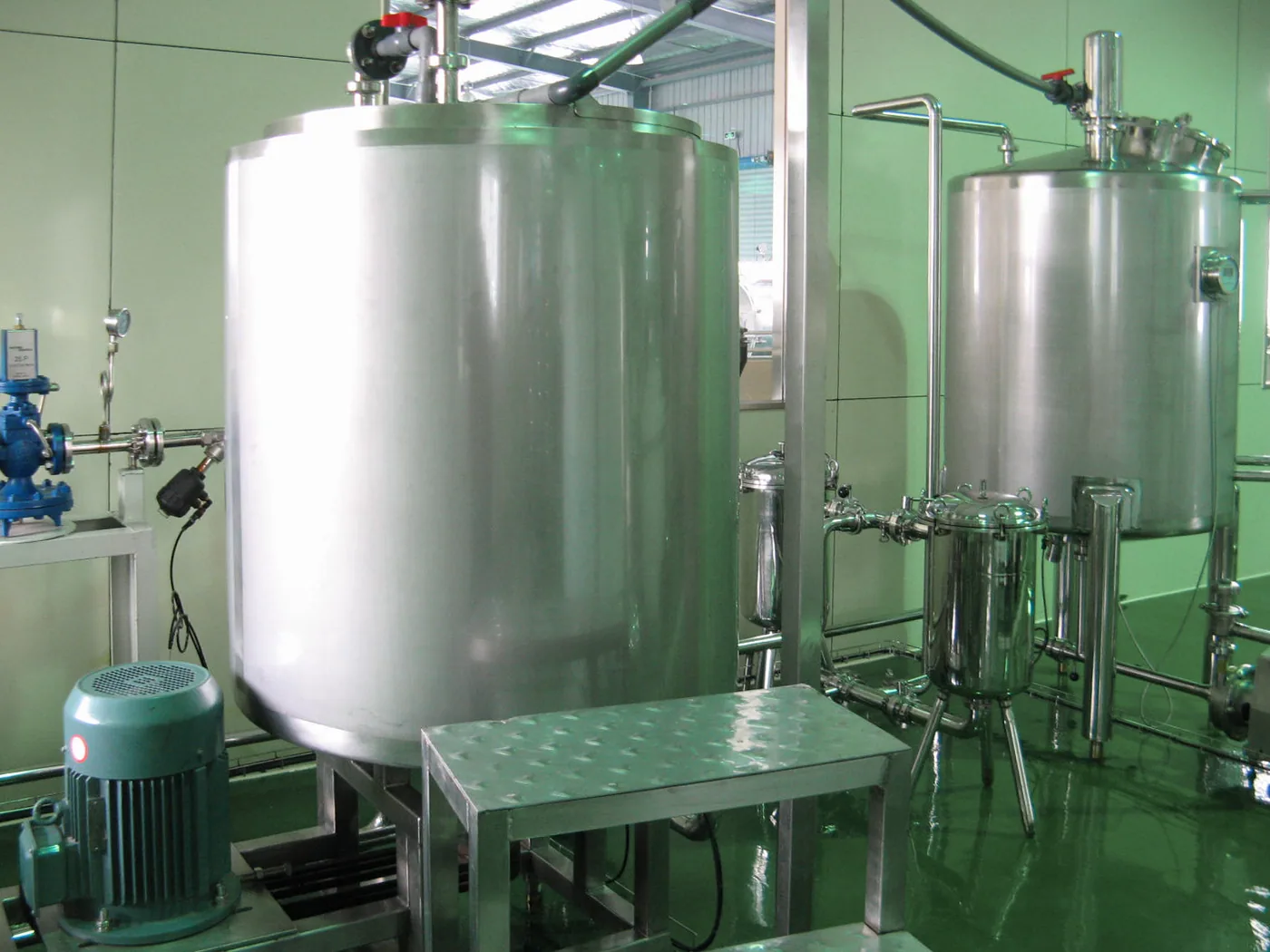
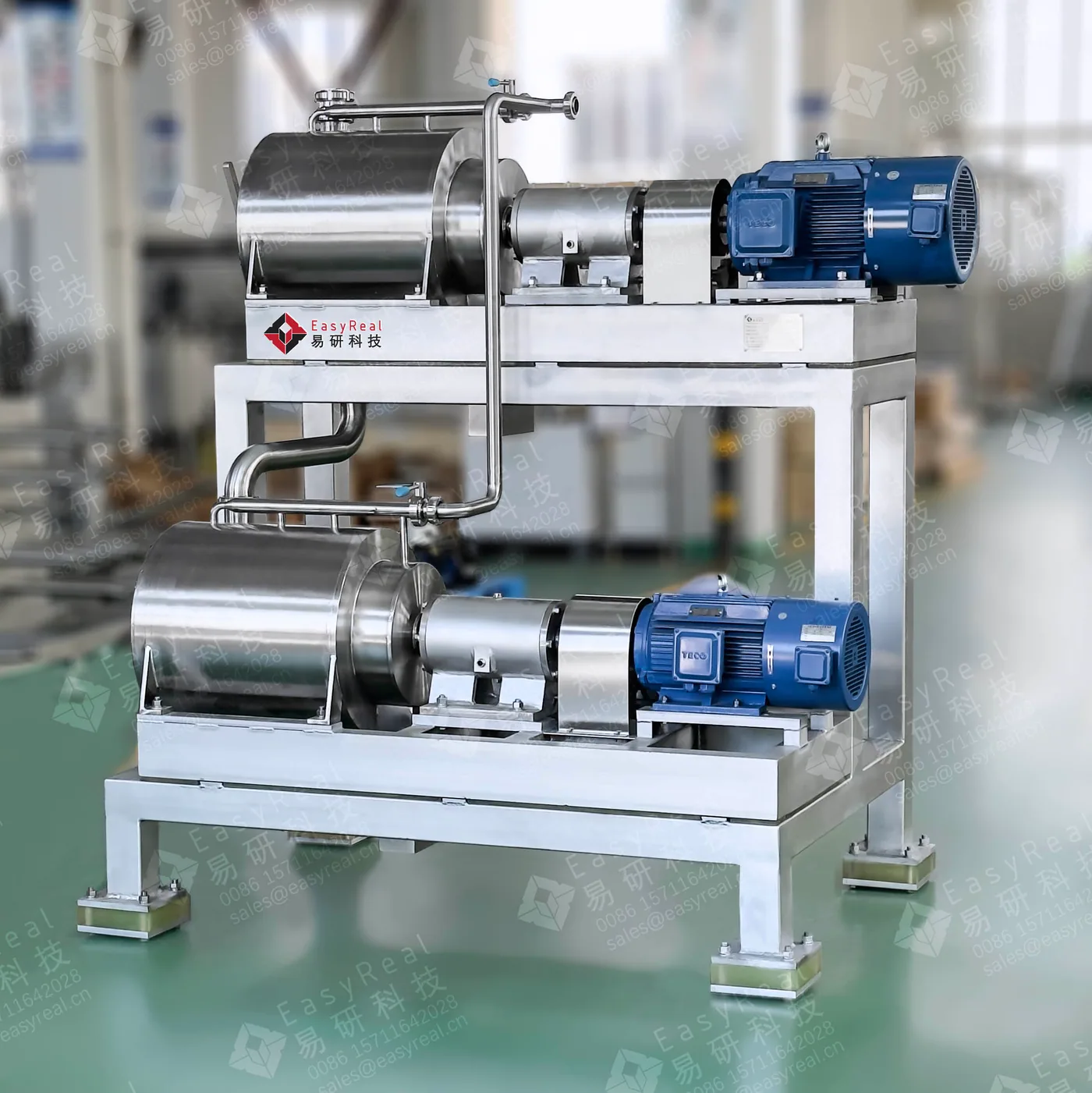
A hygienic positive-displacement pump, progressive-cavity pump or another suitable type, selected with a flooded or otherwise validated inlet. Pipe diameter, bends, valves, relief protection and cleanable connections are part of the scope. For chunky product, internal passages and valve types must be checked against the largest particle.
Operating sequence
- 01
The inlet is flooded or positively fed.
- 02
The pump moves product at the selected speed and pressure.
- 03
Relief protection responds to a downstream restriction.
- 04
Product is sampled after transfer for texture and temperature.
Selection essentials
Choose it for the actual duty.
- Measured viscosity with temperature and test method
- Largest particle and acceptable damage
- Pipe length, elevation, bends, valves and outlet pressure
- Flooded inlet and protection against dry running or overpressure
- Cleaning flow through the pump, bypasses and dead ends
Specification
What the quotation must state.
| Model | Project-configured; no fixed catalogue model is published |
|---|---|
| Planning band | 1–10 m³/h product flow, depending on viscosity and route |
| Pump type | Positive-displacement or other hygienic type selected for the duty |
| Construction | Stainless-steel contact parts and food-grade seals; confirmed in the quotation |
| Particle handling | Passage and valve selection checked against the largest permitted piece |
| Options | Variable-speed drive, inlet sensor, relief valve, flush connection, mobile frame |
Capacity bands are for project planning. Final model, motor rating, dimensions, utilities and acceptance conditions are confirmed on the approved quotation and drawings. No catalogue model is implied where none is published.
Cleaning
Cleaning & maintenance.
Flush the pump and pipework before cleaning. Verify seal access, drainability and cleaning flow through valves and bypasses. Avoid closed pockets where product can remain. Confirm that the cleaning procedure is compatible with the seals and pump type.
Interfaces
Upstream & downstream.
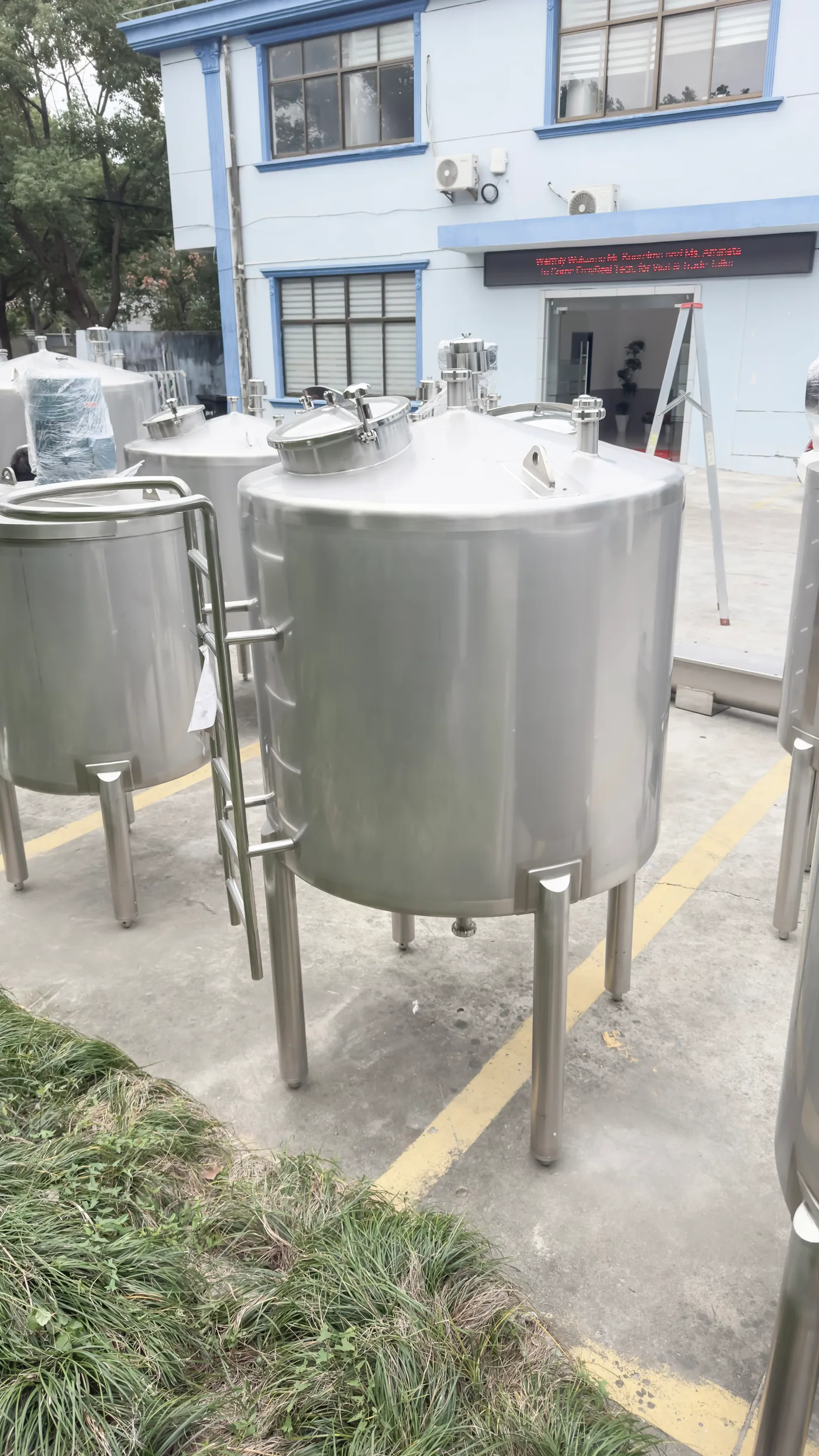
Upstream mixer or holding tank; downstream filling, treatment or storage; CIP and drain connections.
Technical FAQ
Questions buyers ask.
Which pump is best for avocado puree?
A hygienic positive-displacement pump is often suitable because it can handle viscous product with less shear than some centrifugal designs. The final choice depends on viscosity, particle size, flow, pressure and cleaning. It should be confirmed with the product, not from a generic table.
Can I use a centrifugal pump?
It may suit low-viscosity, particle-free streams, but it is usually a poor match for thick avocado puree and chunky guacamole. High shear and cavitation can damage texture and colour. Evaluate the actual duty before selecting it.
Why does the pump lose flow after startup?
Possible causes include a starved inlet, air entrainment, a closed valve, a changing product temperature or a pipe restriction. Check the inlet condition and the complete route before changing the pump.
Put it in context