The duty
What this machine does.
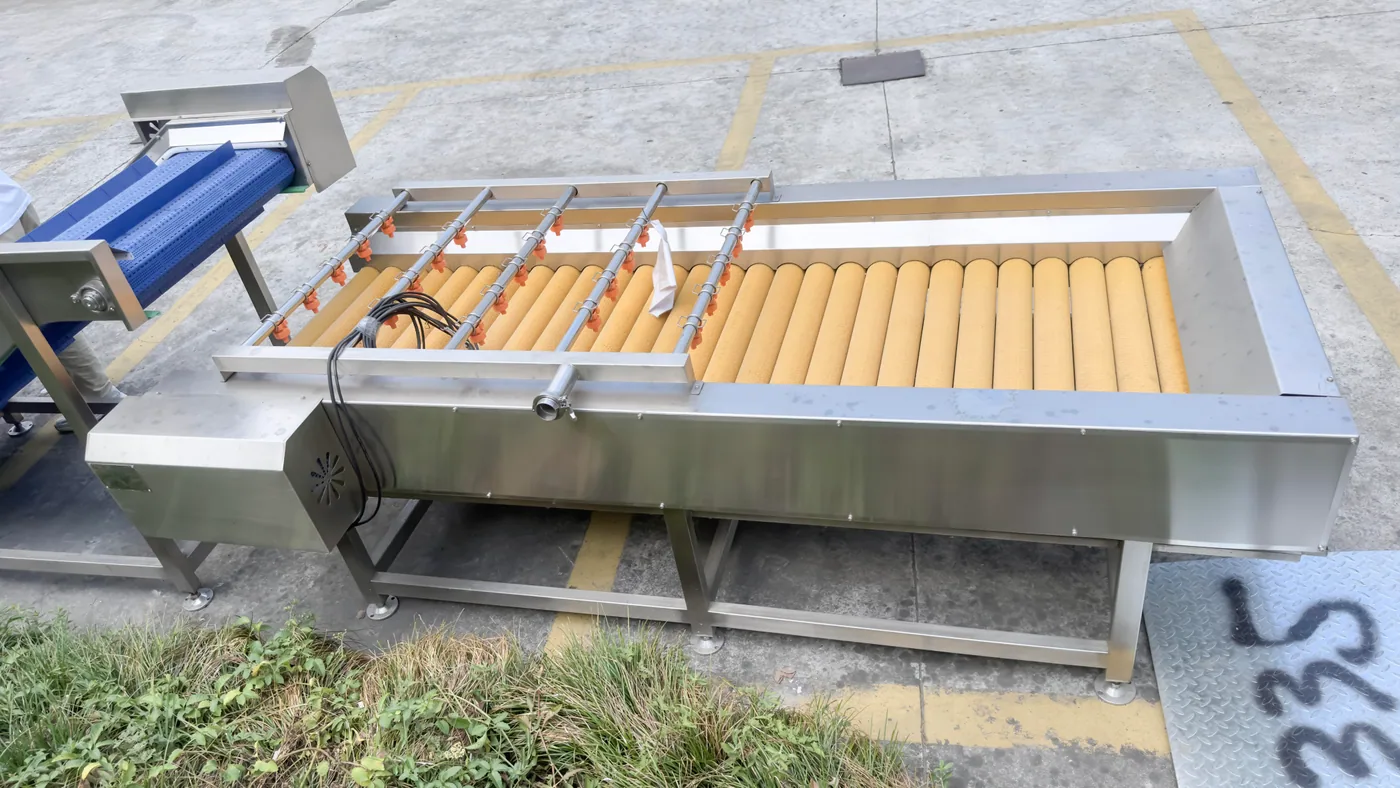
Avocado washing is a surface-preparation step, not a sterilisation step. The machine must remove soil and debris without driving grit into the skin or bruising soft fruit. Brush stiffness, spray pressure, water quality and the transfer to peeling all affect the result. For ripe fruit, a gentler bubble or flood arrangement may be more appropriate than aggressive brushing.
Working arrangement
How it is built.
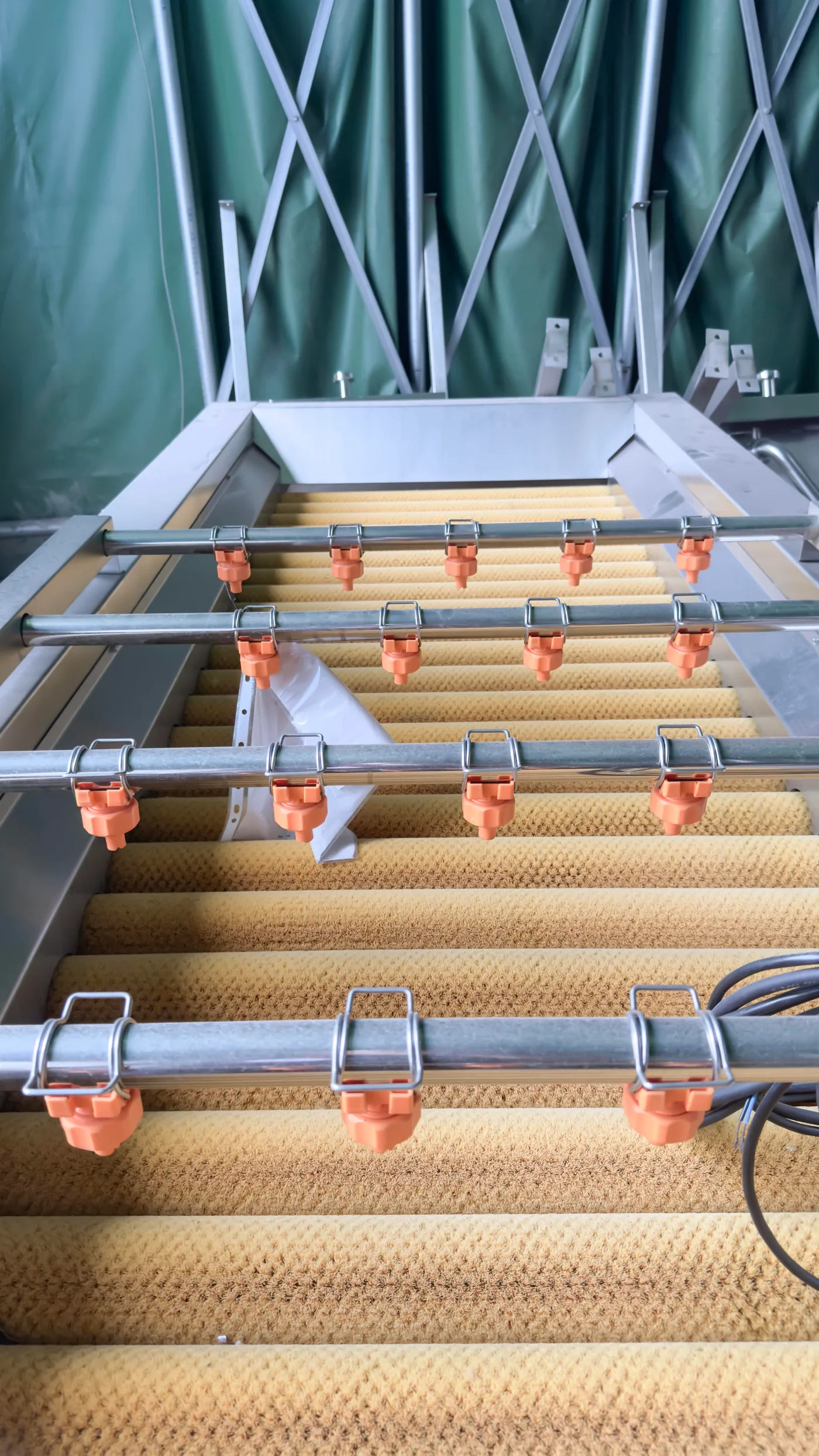
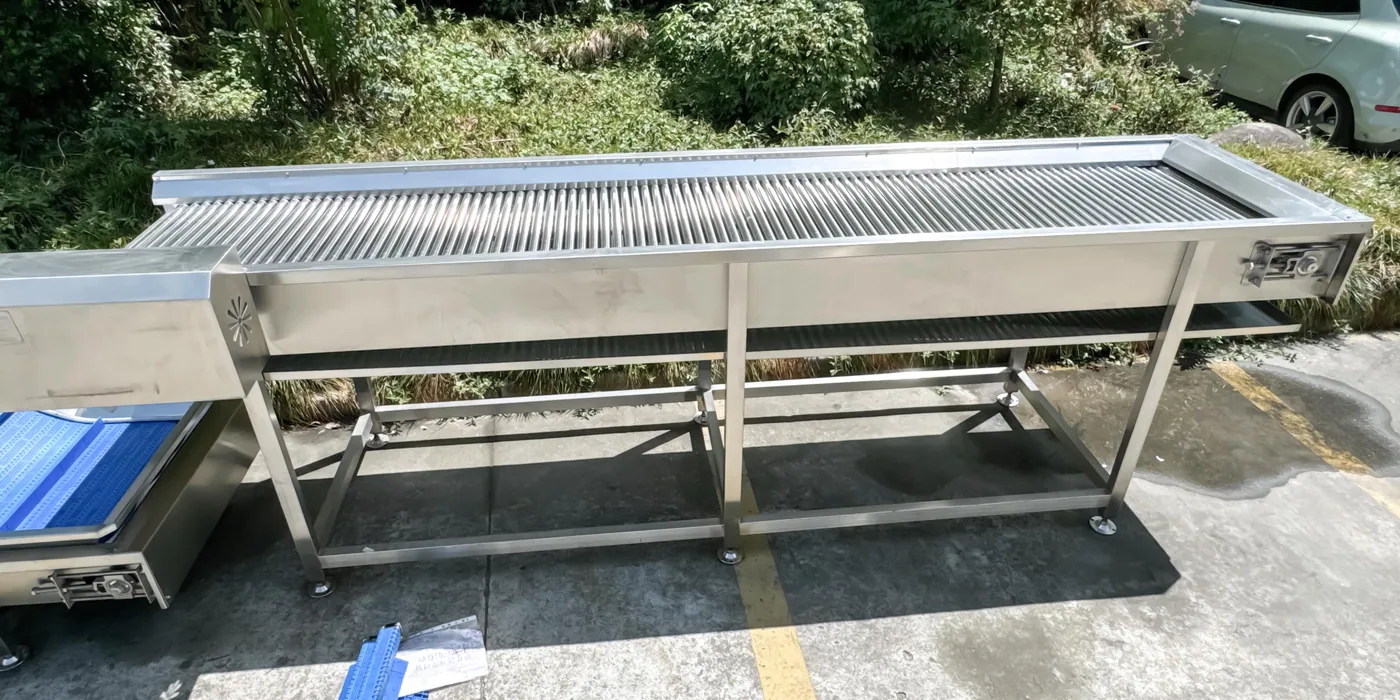
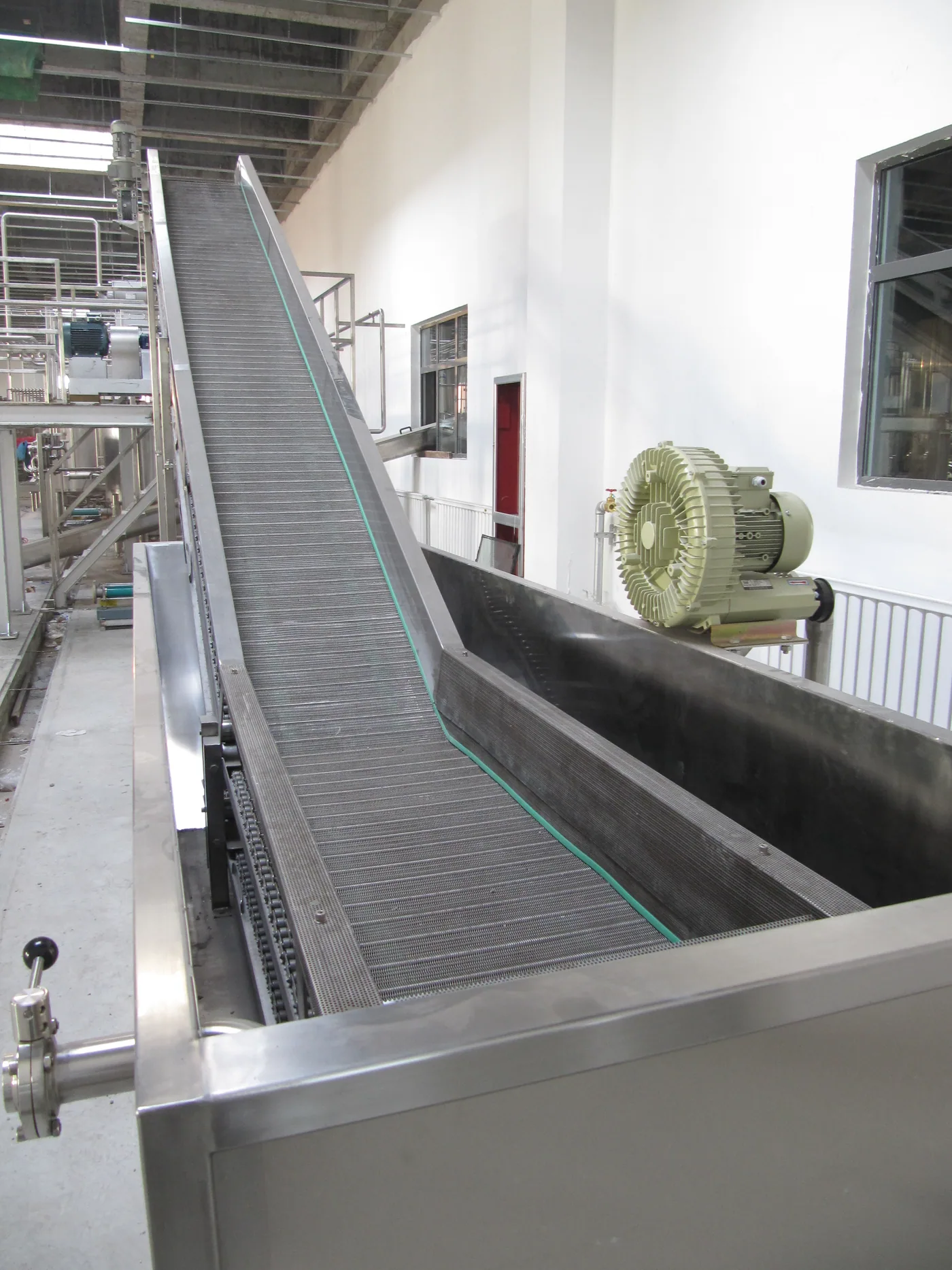
A stainless wash tank or brush bed with controlled fruit travel, spray bars, a rinse section and an inclined discharge. Bubble agitation can be used to separate fruit and lift soil; brushes can be added for firm fruit or heavier soil. Water refresh, filtration and drainage are part of the machine scope, not an afterthought.
Operating sequence
- 01
Fruit enters the wash zone without a hard drop.
- 02
Bubble, flood or brush action loosens soil while fruit rotates.
- 03
A separate rinse reduces carryover of wash water.
- 04
An inclined discharge removes surface water and feeds the next stage.
Selection essentials
Choose it for the actual duty.
- Fruit ripeness and how much brushing the skin can tolerate
- Soil type and load at arrival, including field grit and leaves
- Water source, quality, temperature and allowable discharge
- Rinse separation from the wash tank and recontamination control
- Transfer height and drop into peeling or inspection
Specification
What the quotation must state.
| Model | Project-configured; no fixed catalogue model is published |
|---|---|
| Planning band | 0.5–3 t/h whole-fruit throughput, depending on fruit size and washing method |
| Washing methods | Bubble/flood, brush-and-spray, or a combined arrangement |
| Construction | Stainless-steel tank and frame; product-contact grade confirmed in the quotation |
| Water management | Potable supply, filtration, refresh and drain strategy defined with the site |
| Options | Variable-speed drive, separate rinse, air knife, fruit elevator, waste screen |
Capacity bands are for project planning. Final model, motor rating, dimensions, utilities and acceptance conditions are confirmed on the approved quotation and drawings. No catalogue model is implied where none is published.
Cleaning
Cleaning & maintenance.
Open spray bars, brush beds, sumps and screens for cleaning. Remove trapped leaves and fruit. Define water refresh and sanitation with the site hygiene team; a spray device alone does not prove cleaning coverage.
Interfaces
Upstream & downstream.
Incoming water and drainage, compressed air if used, downstream elevator or peeling feed, and a separate waste route.
Technical FAQ
Questions buyers ask.
Is a bubble washer better than a brush washer for avocados?
It depends on ripeness and soil load. Bubble or flood washing is gentler on soft fruit; brushes can improve soil removal on firmer fruit but may bruise ripe avocados. A combined machine can work if the brush section is adjustable or bypassable, but the actual lot should be trialled.
Does the washer need a separate rinse?
A separate rinse reduces the chance of carrying dirty wash water onto the peeled-fruit side. The rinse water should be managed separately, with a defined flow and quality check. The final arrangement depends on the site's hygiene plan.
Can the machine handle fruit that floats?
Avocado buoyancy varies with cultivar, maturity and oil content. The tank and discharge must be designed so fruit neither sinks nor blocks the elevator. Test the actual fruit in water before fixing tank depth and conveyor speed.
Put it in context